Hey fellow adventurers! Ever dreamed of a place where vibrant rainforests meet pristine coastlines, and every breath feels like a step closer to pure nature?

I’ve been fortunate enough to experience Costa Rica’s magic firsthand, a country that has truly mastered the art of ecotourism. It’s more than just a destination; it’s a living example of how we can explore the world responsibly, immersing ourselves in breathtaking biodiversity while genuinely supporting local communities.
From spotting elusive wildlife in Monteverde’s mystical cloud forests to embracing the authentic ‘Pura Vida’ lifestyle, this incredible nation offers unforgettable, sustainable adventures that are continuously evolving for 2025 and beyond.
Let’s dive in and explore exactly what makes Costa Rica the ultimate green escape!
Unveiling the “Pura Vida” Philosophy: More Than Just a Slogan
Oh, “Pura Vida”! If there’s one phrase that truly encapsulates the spirit of Costa Rica, it’s this. But let me tell you, it’s so much more than just a catchy saying you’ll hear everywhere. From the moment I first stepped off the plane, I could feel it—an almost tangible sense of peace, gratitude, and an unwavering belief in a simple, happy life. It’s in the genuine smiles of the locals, the unhurried pace of daily life, and the deep respect for nature that seems to permeate every conversation. I’ve found myself unconsciously adopting it even back home, a little piece of Costa Rica clinging to my soul. This philosophy really underpins their incredible commitment to ecotourism; it’s about living in harmony, not just with each other, but with the breathtaking world around us. It’s a powerful reminder that sometimes, the best things in life truly are free, and that slowing down can open your eyes to so much more beauty and connection. It’s the feeling you get when you’re sipping a fresh fruit smoothie, watching a hummingbird flit past, and realizing you have absolutely nowhere else you’d rather be. It’s an infectious joy that makes you want to embrace every single moment.
Embracing the Laid-Back Lifestyle
My first few days in Costa Rica were a lesson in letting go. I, like many of us, am used to a fast-paced existence, always rushing from one thing to the next. Here, however, the clock seems to tick a little slower, and deadlines feel like suggestions rather than strict commands. I vividly remember trying to get something done quickly, only for a local friend to gently remind me, “tranquilo, Pura Vida.” It really taught me the value of patience and appreciating the present. It’s not about being unproductive; it’s about doing things with intention and a calm spirit. This relaxed attitude extends to everything, from how businesses operate to how people interact with one another, fostering an incredibly low-stress environment that feels like a balm for the modern soul. It’s a stark contrast to the hustle and bustle I’m accustomed to, and honestly, it’s one of the reasons I keep going back.
Community and Connection
One of the most heartwarming aspects of the Pura Vida lifestyle is the profound sense of community. Everywhere I went, from bustling markets to tiny village cafes, there was an openness and warmth that made me feel instantly welcome. It wasn’t just superficial politeness; it was a genuine interest in people, a willingness to share a laugh or a story. I’ve had impromptu conversations with strangers that felt like catching up with old friends, sharing tips on the best local sodas (those amazing traditional eateries) or where to spot monkeys. This deep connection within communities also translates directly into their ecotourism efforts, as local engagement and benefit are at the very heart of their sustainable practices. When you visit, you’re not just a tourist; you’re an invited guest, and that feeling truly changes your entire experience.
Immersive Wildlife Encounters: Where Nature Takes Center Stage
Let me tell you, if you’re a nature lover, Costa Rica will absolutely blow your mind. I’ve been fortunate enough to travel to many places, but the sheer biodiversity here is unparalleled. Every rustle in the leaves, every splash in a river, feels like a potential encounter with something truly extraordinary. My heart still races remembering the first time I saw a sloth slowly making its way across a branch – it was like time itself stood still. Then there was the symphony of howler monkeys at dawn, a sound that’s both primal and utterly mesmerizing, pulling you right into the heart of the jungle. It’s not just about seeing animals; it’s about feeling truly immersed in their world, understanding their habitats, and witnessing their lives unfold in an untouched, natural setting. I truly believe that seeing these creatures in the wild fosters a deeper appreciation for conservation, and that’s a powerful feeling to take home with you. It’s like stepping into a living documentary, where every corner holds a new surprise, and the vibrant colors of toucans or the iridescent shimmer of a quetzal’s feathers become etched in your memory.
From Cloud Forests to Coastal Jungles
The diversity of ecosystems here is astounding. I’ve trekked through the mystical cloud forests of Monteverde, where the air hangs thick with mist, and every tree seems draped in orchids and bromeliads, creating an ethereal, otherworldly atmosphere. It was here that I caught a fleeting glimpse of the resplendent quetzal, a moment I’ll cherish forever. Then, just a few hours’ drive away, I found myself basking in the sunshine of Manuel Antonio, surrounded by playful capuchin monkeys and lazy iguanas on pristine beaches. The transition from one breathtaking landscape to another is seamless and utterly captivating. It truly highlights Costa Rica’s commitment to preserving these varied environments, ensuring that future generations can also experience the magic of spotting a scarlet macaw flying overhead or a sea turtle nesting on the shore. Each region offers its own unique set of encounters, making every visit a fresh adventure.
Responsible Wildlife Viewing
One thing I deeply appreciate about Costa Rica is their dedication to responsible tourism, especially when it comes to wildlife. You won’t find exploitation here. Instead, tour operators and guides are incredibly knowledgeable and prioritize the animals’ well-being above all else. I remember a guided night walk where our guide, with his incredible laser focus, pointed out tiny glass frogs and sleeping birds, always emphasizing that we maintain a respectful distance and never disturb their natural behaviors. Choosing certified guides, especially those with ICT (Costa Rican Tourism Board) approval, means you’re not just getting an expert who can spot elusive creatures, but someone who is also an advocate for their protection. It makes the experience so much more meaningful when you know you’re contributing to conservation rather than detracting from it. Trust me, seeing a wild animal thrive in its natural habitat is infinitely more rewarding than any staged encounter.
Choosing Your Green Sanctuary: Eco-Lodges and Sustainable Stays
When I plan a trip to Costa Rica, one of the things I look forward to most is choosing where to stay. And by “where to stay,” I mean finding an eco-lodge that truly embodies sustainable practices. It’s not just about a pretty view; it’s about knowing your accommodation is actively contributing to the environment and local communities. I’ve personally experienced the magic of waking up to the sounds of the jungle, knowing the electricity powering my fan comes from solar panels, and that the food on my plate was grown just steps away. It feels incredible to support businesses that prioritize conservation, whether through rainwater harvesting, responsible waste management, or employing staff from nearby villages. These places aren’t just hotels; they’re sanctuaries where you can genuinely connect with nature without compromising your values. The peace of mind you get from knowing your stay is doing good is truly invaluable. It’s an authentic integration into the local ecosystem, not an imposition upon it, and you can feel the difference in the air.
Finding Your Perfect Sustainable Haven
With so many amazing options, picking an eco-lodge can be a delightful challenge! I usually look for certifications like CST (Certification for Sustainable Tourism) or other reputable green labels. But beyond the certifications, I always check their mission statement and read reviews that speak to their community involvement and conservation efforts. Do they offer educational programs? Are they actively involved in reforestation or wildlife rehabilitation? My last trip, I stayed at a place that used only natural, biodegradable cleaning products and even had a resident naturalist who offered daily guided walks. It’s these thoughtful details that make all the difference, transforming a simple overnight stay into an integral part of your sustainable adventure. Remember, every dollar you spend at these establishments is a vote for responsible tourism, and that’s a powerful impact we can all have.
The True Meaning of “Green”
What truly defines an “eco-lodge” can sometimes be misunderstood. It’s not just about having a few plants around or recycling bins. From my experience, a truly green sanctuary goes much deeper. It means careful site selection to minimize environmental impact, using local and renewable resources in construction, implementing robust energy and water conservation systems, and supporting the local economy through sourcing and employment. I remember visiting one lodge where they had an impressive system for composting all organic waste and using it to fertilize their on-site gardens, which then supplied the kitchen. It’s a holistic approach, a complete lifestyle embraced by the property, not just a marketing gimmick. When you see these practices in action, you realize that true sustainability is a continuous journey of innovation and dedication.
Adventure with a Conscience: Thrills that Protect
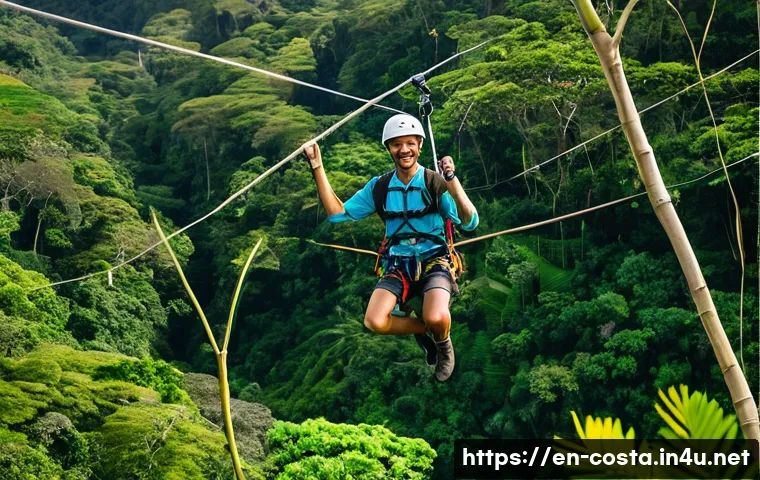
If you’re anything like me, you crave a bit of adventure when you travel, but not at the expense of the environment. Costa Rica brilliantly blends adrenaline-pumping activities with deep respect for nature. I’ve zip-lined through the canopy in La Fortuna, feeling the exhilarating rush of wind as I soared over towering trees, all while knowing that the company I chose was heavily invested in protecting that very forest. It’s a feeling of pure, unadulterated joy mixed with an immense sense of gratitude for the pristine environment you’re experiencing. Whether it’s whitewater rafting down a vibrant river, exploring volcanoes, or surfing on their incredible pacific coastlines, there’s always an underlying current of conservation. The local guides aren’t just experts in their field; they’re passionate advocates for their country’s natural heritage, often sharing fascinating facts about the flora and fauna as you go. This commitment means you can get your thrill on, knowing your adventure is actually helping to preserve these incredible landscapes for future generations.
Ziplining Through Canopy and Caring for It
My first time ziplining in Costa Rica was an absolute revelation. I was a bit nervous, but the guides were incredible, not only ensuring safety but also sharing stories about the rainforest canopy and its importance. They explained how the very platforms we stood on were designed to minimize impact on the trees, and how the fees we paid contributed to forest preservation projects. It wasn’t just a ride; it was an educational experience wrapped in pure excitement. Soaring through the air, with monkeys chattering below and exotic birds flitting past, gave me an entirely new perspective on the intricate ecosystem. It’s a powerful way to connect with the environment from a unique vantage point, making you feel like part of the living, breathing forest. And let me tell you, that feeling of flying through the lush greenery is something you’ll never forget.
River Rafting and Marine Conservation
Another incredible adventure I’ve had is whitewater rafting. The rivers here are absolutely stunning, carving their way through dense jungle, offering breathtaking views and thrilling rapids. What struck me most was how dedicated the rafting companies are to maintaining the pristine condition of these waterways. Before we even launched, our guides gave us a brief on responsible river use, emphasizing no littering and respecting the riverside wildlife. They actively participate in river clean-up days and support local conservation initiatives aimed at protecting water quality and aquatic life. It’s an adventure that leaves you feeling invigorated and proud to have been part of an experience that values ecological integrity as much as it values a good adrenaline rush. The cool spray of the river on your face, the camaraderie with your fellow rafters, and the knowledge that you’re doing it all sustainably – it’s just perfect.
Savoring Local Flavors: Culinary Journeys with a Conscience
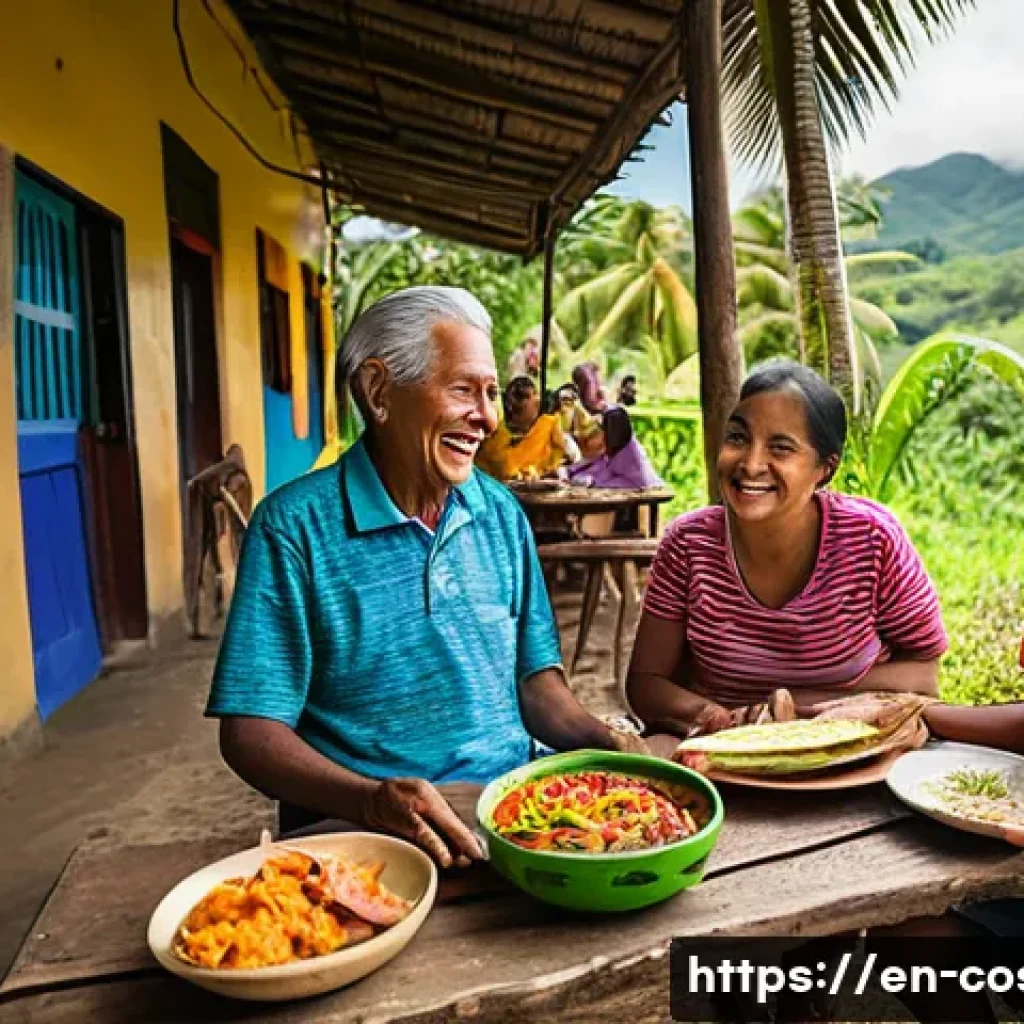
Food, for me, is an integral part of understanding a culture, and Costa Rica’s culinary scene is a delicious extension of its ecotourism philosophy. Forget fancy, overpriced restaurants; here, the real magic lies in the fresh, often organic, and always flavorful local dishes. I’ve had some of my most memorable meals at simple roadside eateries and in small, family-run establishments known as “sodas.” Every bite feels authentic, a true taste of the land. From the ubiquitous Gallo Pinto (a staple of rice and beans that varies subtly from kitchen to kitchen) to the incredibly sweet tropical fruits I’d never even heard of before, the food here is a celebration of local produce. It’s not just about eating; it’s about supporting local farmers, reducing food miles, and experiencing the true essence of Costa Rican life through its vibrant flavors. And let me tell you, a freshly brewed cup of Costa Rican coffee, often grown just miles away, is an absolute game-changer.
Farm-to-Table in the Tropics
The concept of “farm-to-table” isn’t a trend in Costa Rica; it’s a way of life. Many eco-lodges and even smaller restaurants pride themselves on sourcing ingredients directly from local farms or even growing their own. I remember visiting a small coffee plantation where I not only learned about the entire process from bean to cup but also enjoyed a meal prepared with vegetables harvested that very morning from their garden. The difference in taste is remarkable! The freshness of the ingredients shines through in every dish, highlighting the natural bounty of this fertile land. Eating locally not only tastes better, but it also directly supports the livelihoods of small-scale farmers and minimizes the environmental impact associated with long-distance food transportation. It’s a beautiful cycle that truly brings the Pura Vida ethos to your plate.
Supporting Local ‘Sodas’
If you want an authentic and sustainable culinary experience, you absolutely have to seek out the local “sodas.” These humble, often family-run restaurants are where Costa Ricans eat, and they offer incredible value and genuinely delicious home-cooked meals. My favorite “soda” experience involved a tiny spot just outside La Fortuna, where the abuela (grandmother) herself was in the kitchen, cooking up the most incredible Casado (a traditional plate with rice, beans, plantains, salad, and your choice of meat or fish). It was a feast for the senses, and the warmth of the family running the place was just as nourishing as the food. By choosing to eat at sodas, you’re not only getting an amazing meal but also directly injecting money into the local economy, helping small businesses thrive. It’s a simple yet powerful way to contribute to sustainable tourism.
Navigating Your Sustainable Journey: Practical Tips for a Greener Trip
So, you’re excited to embark on your own Costa Rican adventure, right? That’s awesome! Now, let me share a few practical tips I’ve picked up along the way to make your trip as green and impactful as possible. It’s not about grand gestures; it’s about making conscious choices in your everyday actions, showing respect for the environment and the local culture. These small efforts collectively make a huge difference, ensuring that the incredible natural beauty and vibrant communities of Costa Rica remain unspoiled for everyone to enjoy for years to come. Trust me, once you start incorporating these habits, they’ll become second nature, enhancing your travel experience and leaving you feeling even better about your journey. It’s all about being a thoughtful explorer, not just a passive visitor.
Packing Smart and Light
This might seem obvious, but packing wisely is key. I always recommend bringing a reusable water bottle (Costa Rica’s tap water is generally safe and delicious in most areas!), a reusable shopping bag, and reef-safe sunscreen. The less waste you generate and the fewer harmful chemicals you introduce to the environment, the better. Plus, lighter luggage means less fuel consumption during transport, which is another win for the planet! I also make sure to bring quick-drying clothes because, let’s be real, you’ll be getting wet – whether from a sudden rainforest shower or a dip in a waterfall!
Eco-Friendly Transportation
When it comes to getting around, try to opt for shared shuttles or public buses whenever possible. Not only is it often more cost-effective, but it also reduces your carbon footprint compared to renting a private car for every journey. Plus, you get to interact more with locals and soak in the scenery without the stress of driving unfamiliar roads. For longer distances, domestic flights can sometimes be carbon-offset, so look into those options if time is a constraint. I’ve personally found some incredible scenic routes on local buses that I would have missed entirely if I had just zoomed past in a car.
Mindful Spending
This is a big one for me. Always prioritize supporting local businesses – whether it’s buying handicrafts directly from artisans, eating at a ‘soda,’ or booking tours with locally owned and operated companies. Your money goes directly to the people and communities who are working hard to protect their home, rather than disappearing into the coffers of large international corporations. Look for fair-trade certifications when buying coffee or souvenirs. It truly feels good to know that your travel dollars are making a positive difference on the ground.
| Essential Item | Why It’s Important for Your Costa Rica Trip | My Top Tip! |
|---|---|---|
| Reusable Water Bottle | Costa Rica has excellent tap water in most areas, making single-use plastic bottles unnecessary. Staying hydrated is key in the tropical climate! | Invest in an insulated bottle to keep your water cool all day. There are plenty of refill stations. |
| Reef-Safe Sunscreen | Protecting the vibrant marine ecosystems is crucial. Many conventional sunscreens contain chemicals harmful to coral reefs. | Look for mineral-based sunscreens with zinc oxide or titanium dioxide. Apply generously before swimming! |
| Lightweight, Quick-Drying Clothing | The tropical climate means humidity and occasional rain. Quick-drying fabrics keep you comfortable and make laundry easier. | Pack layers! Evenings can be cooler, especially in higher elevations like Monteverde. |
| Insect Repellent (DEET-free options) | While often beautiful, some insects can carry diseases. Choosing DEET-free options is kinder to your skin and the environment. | Apply repellent before heading out, especially at dawn and dusk. Consider permethrin-treated clothing for extra protection. |
Beyond the Brochure: Supporting Communities and Conservation Efforts
When I first started exploring ecotourism, I thought it was just about visiting beautiful places responsibly. But Costa Rica showed me it’s so much more than that – it’s about actively contributing to the well-being of the land and its people. Every time I visit, I try to find ways to give back, whether it’s through choosing specific tour operators or participating in local initiatives. It truly changes your perspective when you realize your travel choices can have such a direct and positive impact. This country isn’t just showcasing its natural wonders; it’s inviting you to become a part of its ongoing story of conservation and community empowerment. The feeling of leaving a place better than you found it, even in a small way, is incredibly rewarding and makes your memories of the trip even richer and more meaningful.
Volunteering and Giving Back
If you have the time, consider looking into legitimate volunteer opportunities. On one of my longer stays, I spent a few days at a wildlife rescue center, helping with food prep and enclosure cleaning. It was hard work, but getting to see the dedication of the staff and the incredible animals they were rehabilitating was an unforgettable experience. There are also opportunities in reforestation, community education, or even assisting at turtle nesting sites during certain seasons. Just be sure to do your research to ensure the organization is reputable and truly benefits the local environment and community. These experiences offer a much deeper connection to the country and its conservation challenges than any traditional tour ever could.
Protecting Costa Rica’s Future
Costa Rica’s commitment to conservation is legendary, with over a quarter of its land protected in national parks and reserves. This didn’t happen by accident; it’s the result of decades of visionary leadership and the collective effort of its people. As visitors, we have a vital role to play in supporting these efforts. By choosing sustainable tour operators, staying at eco-lodges, respecting park rules, and being mindful of our waste, we directly contribute to the financial health of these protected areas and the organizations that manage them. It’s a powerful cycle: our sustainable choices fund their conservation work, which in turn preserves the natural beauty that draws us there in the first place. Knowing that my trip helps to protect this incredible biodiversity for future generations of both wildlife and people gives me an immense sense of purpose and appreciation.
Embracing the Eco-Conscious Evolution: What’s New for 2025
Costa Rica isn’t resting on its laurels; it’s constantly innovating and pushing the boundaries of ecotourism. As we look towards 2025 and beyond, I’m seeing some incredibly exciting developments that promise even more immersive and sustainable experiences. It’s like the country is evolving right alongside us, always striving to do better, be greener, and offer deeper connections. From new, off-the-beaten-path eco-lodges that are truly pioneering zero-waste practices to advanced technological solutions for monitoring wildlife and protecting fragile ecosystems, there’s always something new and inspiring happening. This continuous drive for improvement is what makes Costa Rica such a leader and a beacon for responsible travel globally. It makes me incredibly optimistic about the future of travel and reinforces my belief that we can explore the world in a way that truly benefits everyone.
Next-Gen Sustainable Technologies
I’ve been hearing about some fascinating advancements being implemented, especially in remote eco-lodges. We’re talking about advanced solar battery storage systems that provide reliable, clean energy even in the most secluded locations, or innovative water filtration and recycling systems that make properties almost entirely self-sufficient. Some tour operators are even experimenting with electric vehicles for transfers, further reducing their carbon footprint. It’s thrilling to see how technology is being harnessed not for mass tourism, but to enhance and support truly sustainable travel experiences, pushing the boundaries of what’s possible in harmony with nature. These innovations are creating even more robust and genuinely green options for us adventurers.
Deeper Cultural Immersion Initiatives
Beyond the environmental aspects, Costa Rica is also focusing more on fostering deeper cultural connections, which I personally love. For 2025, I’m anticipating more opportunities for visitors to engage directly with indigenous communities, learning about their traditions, crafts, and ancestral knowledge of the land. These aren’t just superficial visits; they’re designed to be respectful, educational, and economically beneficial to the communities themselves. Imagine learning traditional cooking techniques or participating in an ancient ceremony – experiences that transcend typical tourism and leave you with a profound understanding of Costa Rica’s rich human tapestry. It’s about recognizing that true sustainability encompasses not just nature, but also the vibrant cultures that have coexisted with it for centuries.
글을 마치며
Whew, what a journey we’ve been on together, exploring the incredible heart of Costa Rican ecotourism! From the soul-stirring ‘Pura Vida’ philosophy that truly permeates every aspect of life, to the breathtaking wildlife encounters and the conscious choices we can make in our travels, it’s clear that this country offers something truly special, a unique blueprint for how we can all live and travel more harmoniously with our planet. I genuinely hope my personal experiences and practical tips, shared straight from my own adventures, inspire you to embrace a greener adventure and discover the profound beauty of traveling with purpose. It’s more than just ticking off a bucket list; it’s about connecting on a deeper level, understanding the delicate balance of ecosystems, and feeling the immense satisfaction of knowing your journey contributes positively to both the environment and local communities. This isn’t just a trip; it’s a transformation, leaving you with a richer understanding of our interconnected world, a renewed sense of gratitude, and a lighter footprint on the earth. Trust me, the ‘Pura Vida’ spirit will follow you home, reminding you to slow down, appreciate the simple joys, and keep that adventurous, eco-conscious spark alive.
알아두면 쓸모 있는 정보
Here are some invaluable tidbits I’ve gathered from my own Costa Rican escapades, designed to help you navigate your journey smoothly and sustainably, ensuring your trip is not just memorable but also mindful. These aren’t just generic travel tips; these are the insights I wish I had known on my very first visit, honed through countless conversations with locals and fellow eco-travelers, ensuring you truly get the most out of your Pura Vida experience.
1. Local Currency and Payments: While US Dollars are widely accepted in major tourist hubs and by larger establishments, I’ve found that using the local currency, Costa Rican Colones (CRC), often provides better exchange rates and is always preferred by smaller, family-run businesses like those charming ‘sodas’ or local artisan shops. It’s a wonderful way to directly support the local economy and show respect for their financial system. I always make sure to carry some small denominations for these kinds of transactions, as cash is definitely king in more remote areas where card machines might be non-existent or unreliable, and it makes everyday purchases so much simpler and faster.
2. Tipping Etiquette: Tipping expectations in Costa Rica differ a bit from what you might be used to in North America, but showing appreciation for good service is always a kind gesture. In most restaurants, a 10% service charge (known as ‘impuesto de servicio’) is automatically included in your bill, so you don’t necessarily need to add more unless the service was truly exceptional, in which case a small extra amount is always appreciated. For tour guides, drivers, and hotel staff, a tip ranging from 10-20% of the service cost, or a few dollars per person for a shuttle, is considered generous and well-deserved, especially if they went above and beyond to enhance your experience with their passion and knowledge.
3. Best Time to Visit: Deciding when to visit can significantly shape your experience! The dry season, typically from December to April, is incredibly popular for its consistent sunshine, making it ideal for beach lovers and extensive outdoor activities like hiking and zip-lining, though you’ll encounter more crowds and higher prices. However, if you’re like me and appreciate lush greenery, fewer tourists, and a slightly more authentic vibe, the ‘green season’ (May to November) is absolutely magical. You’ll likely experience afternoon showers, but mornings are often bright and clear, the landscapes are vibrantly alive, and you might even find better deals on accommodations and tours. Plus, some wildlife sightings, like turtle nesting, are seasonal!
4. Respecting Local Culture & Environment: Embracing “Pura Vida” isn’t just about saying the words; it’s about living the philosophy. This means being patient, friendly, and open to new experiences, appreciating the unhurried pace of life. Environmentally, always commit to leaving no trace: pack out everything you pack in, especially in national parks and protected areas, and never litter. Avoid disturbing wildlife for photographs, and always stick to designated trails to prevent damaging fragile ecosystems. Remember, you’re a guest in their beautiful home, and showing respect for both the people and the planet goes a long way.
5. Health and Safety Preparedness: Your well-being is paramount! While Costa Rica is generally a safe country for tourists, it’s always wise to be prepared. Drink bottled or filtered water in areas where you’re unsure of tap water quality (though major towns generally have safe tap water). High-quality mosquito repellent is an absolute must, especially at dawn and dusk, to protect against mosquito-borne illnesses. Consult your doctor about necessary vaccinations before traveling, and always have comprehensive travel insurance. Finally, stay aware of your surroundings, keep valuables secure, and trust your instincts – basic precautions that apply anywhere you travel.
중요 사항 정리
To truly immerse yourself in the Costa Rican experience is to consciously embrace its unique ‘Pura Vida’ philosophy, a profound appreciation for life, gratitude, and an unwavering commitment to community. Your personal travel choices, from the eco-lodges you select to the locally-owned tour operators you support, directly contribute to the sustained health of the country’s unparalleled biodiversity and the empowerment of its vibrant local communities. Every single decision you make, whether it’s opting for a shared shuttle, savoring fresh, farm-to-table cuisine at a local ‘soda,’ or simply leaving no trace behind, solidifies your role as a responsible global citizen. By journeying with intention and respect, you’re not just creating unforgettable memories for yourself; you’re actively safeguarding this incredible green sanctuary, its abundant wildlife, and its rich cultural tapestry for countless future generations to cherish and explore.
Frequently Asked Questions (FAQ) 📖
Q: Is it truly possible to have an authentic, sustainable Costa Rica adventure without totally draining your wallet, and what’s the sweet spot for timing a visit?
A: Oh, absolutely! I know the fear – that “eco-friendly” often gets translated as “wallet-unfriendly,” but Costa Rica truly offers incredible value for a sustainable experience if you know a few tricks.
My personal experience has shown me that opting for the shoulder seasons, like late April to May or November to early December, is a game-changer. You miss the absolute peak crowds, the prices for flights and accommodations tend to be a bit more forgiving, and you still get fantastic weather with fewer downpours than the height of the rainy season.
I’ve found that embracing local ‘sodas’ (those charming, family-run eateries) for meals not only saves a ton of money but also provides the most authentic culinary delights and supports local families directly.
Plus, don’t shy away from using shared shuttles or public buses; they’re incredibly efficient and a fraction of the cost of private transfers. Trust me, my trip through La Fortuna and Manuel Antonio felt incredibly rich and impactful without breaking my budget, purely by making these conscious choices.
It’s all about planning smart and leaning into the local way of life!
Q: What are some “must-do” ecotourism experiences in Costa Rica that genuinely embody the Pura Vida spirit and uplift local communities?
A: Okay, this is where Costa Rica truly shines, and it’s why I keep going back! Beyond just seeing pretty sights, the real magic happens when you engage with experiences that are deeply rooted in the ‘Pura Vida’ philosophy and actively benefit the people and places you visit.
For me, a “must-do” is definitely a guided night walk in a place like Monteverde or La Fortuna. Hiring a local naturalist guide isn’t just about spotting incredible nocturnal creatures – it’s about supporting someone who has grown up in that ecosystem, sharing their invaluable knowledge and passion directly with you.
I still remember the thrill of seeing a sloth up close on my last trip, pointed out by a guide whose family has lived in the area for generations. Another absolute winner is staying in an eco-lodge that’s either locally owned or has strong community programs.
I’ve had experiences where part of my stay directly funded local schools or reforestation projects, and that feeling is just incomparable. Consider visiting a coffee or chocolate plantation tour run by a cooperative, or even better, take a cooking class with a local family.
These aren’t just activities; they’re genuine cultural exchanges that leave you with unforgettable memories and a clear conscience.
Q: How can I really ensure my travel choices in Costa Rica are making a positive impact on the environment and the local people, and not just falling into a “greenwashed” trap?
A: This is such an important question, and honestly, it’s one I ask myself every time I plan an adventure! The key to avoiding greenwashing in Costa Rica is to look for tangible certifications and, more importantly, to observe and engage.
My number one piece of advice is to seek out businesses – tour operators, hotels, lodges – that hold the Certification for Sustainable Tourism (CST) from the Costa Rican Tourism Board.
It’s a rigorous standard, and businesses work hard to earn and maintain those levels. When I was researching my first trip, I specifically looked for their highest ratings, and it made such a difference in feeling confident about my choices.
Beyond certifications, pay attention to how a business operates: Do they visibly encourage recycling and waste reduction? Do their guides talk about conservation and local culture?
Are their staff primarily locals? I always try to learn a few basic Spanish phrases; a simple “Hola” and “Gracias” go a long way in showing respect and opening doors for more genuine interactions with the Ticos.
Always keep a respectful distance from wildlife – those incredible creatures deserve their space! And finally, minimize your waste, conserve water and energy, and remember that every dollar you spend locally, whether it’s on a hand-carved souvenir or a fresh fruit smoothie from a roadside stand, directly contributes to someone’s livelihood.
It’s about being a mindful, engaged traveler, and honestly, that’s where the true “Pura Vida” magic really comes alive.