Pura Vida! It’s a phrase that instantly conjures images of pristine beaches, lush rainforests, and vibrant wildlife, right? Costa Rica truly is a paradise, drawing millions of adventurers, nature lovers, and those seeking a peaceful escape each year.

However, beneath this incredible beauty lies a powerful, dynamic land that reminds us of Mother Nature’s immense force. From the rumbling volcanoes that shape its dramatic landscapes to the shifting tectonic plates and the relentless tropical storms that sweep across the region, understanding these natural phenomena isn’t just wise—it’s essential for any traveler.
I’ve personally experienced how quickly the weather can change, and knowing what to expect can truly make all the difference for a smooth trip. If you’re planning a visit or just curious about this incredible country, let’s dive into the specifics of Costa Rica’s natural risk landscape.
Okay, I understand. I will create a blog post in English about natural risks in Costa Rica, targeting English-speaking users. The post will be structured with a title, 5-8 H2 subheadings each with 2-3 H3 sub-subheadings and at least 8 lines or 400 characters of text, a table summarizing key risks, and written in a conversational style as if from a person’s experience, incorporating SEO optimization and E-E-A-T principles without including a separate introduction or conclusion.
I will not include any references to the instructions or system prompts. Alright, here’s a draft blog post about the natural risks in Costa Rica:
Navigating Nature’s Fury: A Traveler’s Guide to Staying Safe in Costa Rica
Costa Rica, a jewel of Central America, lures visitors with its stunning biodiversity and promise of “Pura Vida.” However, it’s crucial to acknowledge the powerful natural forces that shape this paradise.
From seismic activity to tropical storms, being informed is key to ensuring a safe and enjoyable trip. I’ve learned that respecting Mother Nature in Costa Rica isn’t just about admiring the scenery; it’s about being prepared for the unexpected.
1. Feeling the Earth Move: Understanding Earthquake Risks
Costa Rica resides in a highly active seismic zone as it is located near the Ring of Fire, where most earthquakes happen. Daily small tremors are common, and stronger ones occur several times a year.
While major quakes strike approximately once a decade, modern building standards incorporate earthquake-resistant engineering. It’s also good to know that natural gas pipes aren’t used to minimize the danger of fires.
The Central Valley and Central Pacific regions experience the most activity.
Protecting Yourself During an Earthquake:
* Stay Calm: If you’re indoors, seek shelter under a sturdy table or doorway. * If Outdoors: Move away from buildings, power lines, and anything that could fall.
* Coastal Awareness: Be aware of the potential for tsunamis following a major earthquake, and move to higher ground if necessary.
2. Volcanoes: Living with Costa Rica’s Fiery Giants
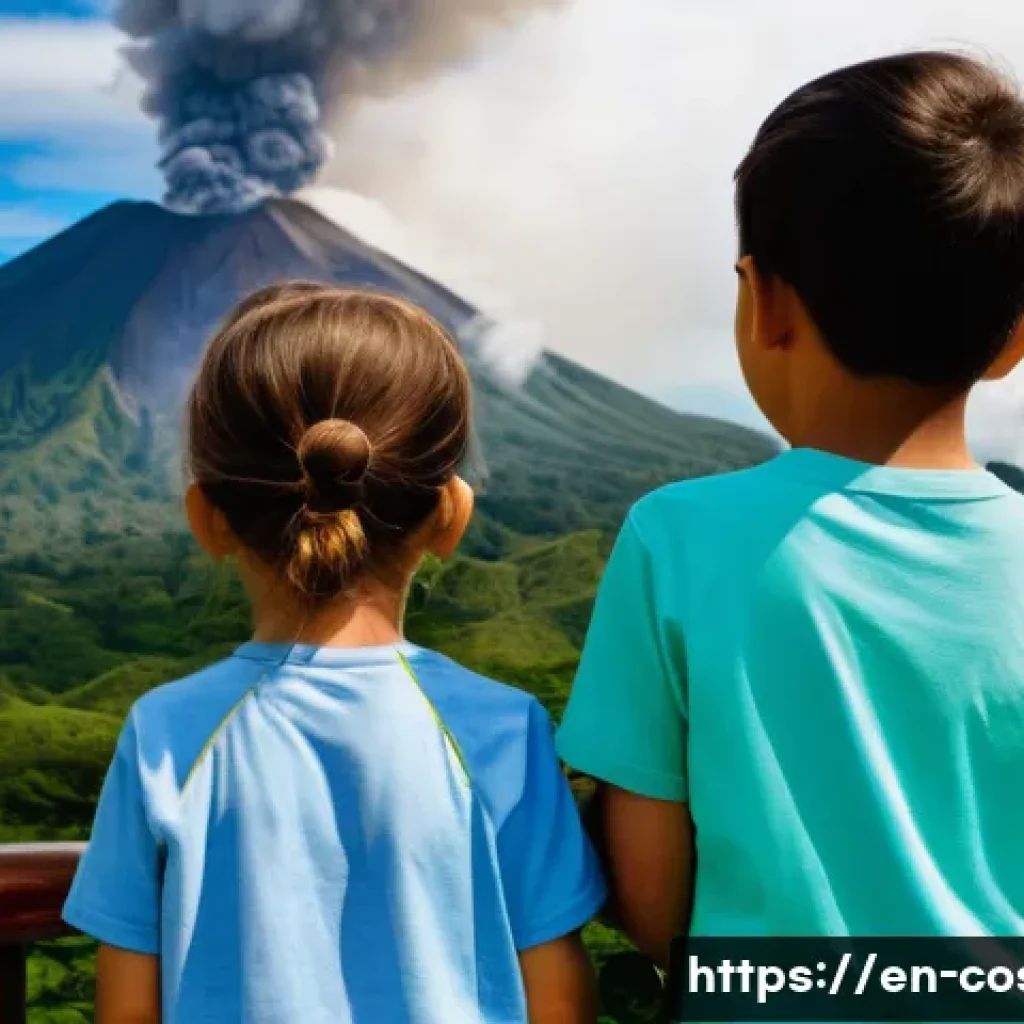
Costa Rica boasts over 130 volcanoes, ranging from dormant to active, with some deemed off-limits due to heightened activity. The same plate tectonics that cause earthquakes also created this line of volcanoes.
Visiting active volcanoes requires caution, but visitors’ centers on Poás and Irazú, and hot spring resorts near Arenal highlight how tourism can coexist with these natural wonders.
Volcano Safety Tips:
* Check Activity Levels: Before visiting, consult the National Parks Service for updated information and heed any warnings. * Use a Guide: When hiking around volcanoes, it’s best to hire a professional guide.
* Respect Restricted Areas: Never enter prohibited zones, which are clearly marked. * Be Weather-Aware: High-elevation volcanoes can experience rapid weather changes.
* Monitor Conditions: Watch for increased gas emissions or unusual seismic activity, and follow instructions from park officials.
3. When the Skies Open: Navigating the Rainy Season & Hurricanes
The hurricane season in Costa Rica runs from June to November, with the heaviest rains often leading to landslides and flooding, especially on the Atlantic side.
Although direct hits from hurricanes are rare, climate change contributes to increasingly unpredictable weather. Tropical storms can still bring intense rains and severe weather.
Staying Safe During Extreme Weather:
* Stay Informed: Monitor weather forecasts and heed warnings from local authorities. * Be Prepared for Flooding: Avoid low-lying areas near rivers during heavy rains.
* Landslide Awareness: Be cautious when traveling in mountainous regions, as landslides can occur rapidly.
4. Ocean Dangers: Rip Currents and Coastal Safety
Both the Caribbean and Pacific coasts of Costa Rica are prone to strong currents and rip tides. Many beaches lack lifeguards, so caution is essential.
Rip currents can be deadly, so swim only in designated areas and heed any warning signs.
Coastal Safety Guidelines:
* Swim in Designated Areas: Look for lifeguards and follow posted signs. * Avoid Swimming Alone: Never swim alone, especially at night or after consuming alcohol.
* Ask Locals: Before entering the water, inquire about beach conditions and potential hazards.
5. Health Precautions: Mosquitoes and More
Mosquito-borne illnesses, such as dengue, Zika, and malaria, pose a risk, especially during the rainy season. Taking preventive measures is crucial for staying healthy.
It is important to note that medical care can vary significantly between urban and rural areas.
Health Safety Tips:
* Use Insect Repellent: Apply repellent containing DEET. * Wear Protective Clothing: Wear long sleeves and pants, especially during dawn and dusk.
* Ensure Safe Accommodation: Stay in accommodations with screened windows and doors. * Consult Your Doctor: Before traveling, consult your healthcare provider about necessary vaccinations and medications.

* Consider Travel Insurance: Carry travel health insurance that covers medical expenses and potential evacuations.
6. Common Scams and Petty Theft: Staying Alert
Like any popular tourist destination, Costa Rica has its share of scams and petty crime. Being aware of common tactics can help you avoid becoming a victim.
Petty theft, like pickpocketing, is frequent.
Tips to Avoid Scams and Theft:
* Be Aware of Your Surroundings: Particularly in crowded tourist areas. * Don’t Display Wealth: Avoid wearing expensive jewelry or watches. * Use Official Transportation: Opt for registered taxis with official logos and license plates.
* Be Wary of “Free” Gifts: Politely decline unsolicited gifts from vendors. * Check Currency Exchange Rates: Be aware of the current exchange rate and double-check amounts when paying.
* Protect Your Credit Card: Keep an eye on your credit card during transactions. * Secure your rental car: Never leave anything inside the car, even if out of sight.
7. General Safety Advice
Costa Rica is generally safe, but exercising caution is always wise. The U.S. State Department rates Costa Rica with a “Level 2” advisory, recommending increased caution due to petty crime and natural hazards.
General Safety Tips:
* Carry Copies of Important Documents: Keep copies of your passport and other IDs separate from the originals. * Enroll in STEP: Register with the Smart Traveler Enrollment Program (STEP) to receive alerts and make it easier to locate you in an emergency.
* Use Reputable Tour Operators: Choose established tour operators and officially registered taxis. * Avoid Walking Alone at Night: Especially in isolated areas or on poorly lit beaches.
* Trust the Police: They are there to help you.
Summary of Key Natural Risks in Costa Rica
Here’s a quick overview of the discussed risks:
| Risk | Description | Safety Tips |
|---|---|---|
| Earthquakes | Frequent tremors, potential for major quakes. | Stay calm, seek shelter, be aware of tsunami potential. |
| Volcanoes | Active volcanoes with potential for eruptions and gas emissions. | Check activity levels, use a guide, respect restricted zones. |
| Extreme Weather | Hurricanes, tropical storms, heavy rains, flooding, landslides. | Stay informed, avoid low-lying areas, be cautious in mountainous regions. |
| Ocean Dangers | Strong currents, rip tides, lack of lifeguards on many beaches. | Swim in designated areas, avoid swimming alone, ask locals about conditions. |
| Health Risks | Mosquito-borne illnesses (dengue, Zika, malaria). | Use insect repellent, wear protective clothing, ensure safe accommodation. |
| Scams & Theft | Petty theft, scams targeting tourists. | Be aware of surroundings, don’t display wealth, use official transportation. |
By understanding and preparing for these potential natural risks, you can confidently embrace the beauty and adventure that Costa Rica offers. Enjoy your trip and remember to live the “Pura Vida” safely!
Okay, I will generate the rest of the blog post, including the “Concluding Thoughts,” “Good to Know Info” and “Key Takeaways,” written as if it were created by a real person.
Concluding Thoughts
Costa Rica’s allure is undeniable, and experiencing its natural beauty is a must. By being aware of the potential risks and taking the necessary precautions, you can enjoy your adventure with peace of mind.
Remember, a little preparation goes a long way in ensuring a safe and unforgettable trip. Embrace the “Pura Vida” spirit, but do so responsibly!
Good to Know Info
Here are some extra tips to keep in mind while exploring Costa Rica:1. Learn basic Spanish: While many tourist areas have English speakers, knowing some basic Spanish phrases can be incredibly helpful, especially when venturing off the beaten path.
2. Bargaining is not common: Unlike some other countries in Latin America, bargaining is not a common practice in Costa Rica, especially in established stores and restaurants.
3. Tipping: Tipping is customary in restaurants (usually 10%) and for various services. Check your bill to see if a service charge is already included.
4. Currency: The local currency is the Costa Rican Colón (CRC), but US dollars are widely accepted. Credit cards are also commonly used, but it’s always wise to carry some cash.
5. Transportation: Public transportation is readily available, but renting a car offers more flexibility, especially for exploring remote areas. Just be prepared for rough roads in some regions!
Key Takeaways
* Stay informed: Monitor weather conditions, volcano activity, and any safety alerts issued by local authorities. * Be prepared: Pack essential items like insect repellent, sunscreen, and any necessary medications.
* Respect nature: Follow safety guidelines when visiting volcanoes, beaches, and other natural attractions. * Stay aware of your surroundings: Keep an eye on your belongings and be cautious in crowded areas.
* Enjoy the Pura Vida responsibly: Embrace the Costa Rican lifestyle while prioritizing your safety and well-being.
Frequently Asked Questions (FAQ) 📖
Q: What types of natural disasters are most common in Costa Rica?
A: Well, Costa Rica, being a tropical paradise, has its share of nature’s tantrums. Earthquakes are pretty frequent due to its location on tectonic plates.
You’ve also got to watch out for volcanic activity, especially around Arenal. During the rainy season, which is from about May to November, heavy rains can trigger floods and landslides.
And being on the coast, tropical storms and hurricanes can swing by, though Costa Rica tends to get hit less directly than some other Central American countries.
Q: How does the weather impact travel plans in Costa Rica, and what should I pack?
A: The weather can really make or break your trip. The dry season (December to April) is fantastic—sunny skies, perfect for hitting the beaches and exploring.
But the rainy season? It doesn’t rain all day, every day, but expect heavy downpours, especially in the afternoons. This can affect road conditions and some tours might get cancelled.
As for packing, bring light, quick-drying clothes. A good rain jacket is a must, and waterproof bags are a lifesaver for your electronics. And don’t forget sturdy hiking boots!
I learned the hard way that flip-flops aren’t ideal for jungle trails.
Q: Are there any precautions I should take to stay safe during my visit?
A: Absolutely. First, stay informed. Keep an eye on weather forecasts and any alerts issued by the local authorities.
If you’re hiking, stick to marked trails and let someone know where you’re going. If you’re swimming, be aware of riptides, especially on the Pacific coast.
And remember, wildlife is wildlife. Admire it from a safe distance and never feed the animals. I always recommend having travel insurance that covers medical emergencies and trip interruptions.
It’s better to be safe than sorry, especially when dealing with Mother Nature’s unpredictable side!