Pura Vida! So, you’re dreaming of a Costa Rican escape, picturing lush rainforests, stunning beaches, and incredible wildlife? Before you dive headfirst into this tropical paradise, let’s talk about something truly essential for a stress-free adventure: your money.
Navigating foreign currency can feel like a puzzle, but trust me, understanding Costa Rica’s Colón and knowing the smartest ways to handle your cash and cards will make all the difference in maximizing your Pura Vida experience.
I’ve learned a few tricks over my travels there that I can’t wait to share, especially with the daily fluctuations in exchange rates and the mix of US dollars and local Colones you’ll encounter.
From my personal experience, a little preparation goes a long way to ensure you’re getting the best value and avoiding any unexpected surprises. Let’s make sure your finances are as smooth as a fresh Costa Rican smoothie!
In the guide below, we’ll dive deep into everything you need to know.
Embracing the Colón: Your New Best Friend in Costa Rica
Alright, so you’ve landed in Costa Rica, and the first thing you’ll notice, besides the incredible humidity and vibrant greenery, is the local currency: the Costa Rican Colón (CRC). Now, I know what you might be thinking – “Can’t I just use US dollars everywhere?” And while, yes, US dollars are widely accepted in many tourist areas, especially for larger purchases and at bigger establishments, truly embracing the Colón is where you’ll find the best value and experience a more authentic Pura Vida. From my personal experience, paying in Colones often means avoiding those pesky, unfavorable exchange rates that businesses sometimes tack on when you pay in dollars. I’ve seen this countless times, where a small souvenir shop or a local soda (which is what they call small, local restaurants here) will quote you a price in dollars, but if you quickly convert it and offer Colones, you’ll end up saving a bit. It really adds up over a trip! Plus, using the local currency just feels right; it shows respect for the culture and makes interactions smoother with locals who often appreciate it. Getting comfortable with the Colón means you’re not just a tourist, but someone ready to dive into the real Costa Rica, ensuring your wallet stretches further and your adventures are even richer. It’s all about feeling at home and getting the most out of every single centavo.
Exchange Rate Realities: Dollars vs. Colones
Navigating the exchange rate can feel like a bit of a dance, especially since it fluctuates daily. When I first started traveling to Costa Rica, I’d constantly be doing mental math, trying to figure out if I was getting a good deal. What I’ve learned is that while dollars are accepted, especially for larger items like tours or hotel stays, it’s not always the most advantageous. Many businesses, particularly smaller ones, might round up their dollar prices or use a less favorable exchange rate to make things simpler for themselves. Imagine grabbing a delicious fresco from a street vendor – they’ll likely prefer Colones, and you’ll get a fairer price. Always keep an eye on the official bank exchange rates, which you can usually find online or at a local bank. It gives you a benchmark. I’ve found that having a mix of both currencies, but leaning heavily into Colones for daily expenses, is the most practical approach. It allows you the flexibility to pay in dollars when it’s genuinely convenient, like at a fancy restaurant or for a bigger excursion, while ensuring you’re not overpaying for your gallo pinto or souvenirs. This strategy has saved me a surprising amount over multiple trips, turning those small savings into extra experiences.
The Local Price Tag: What to Expect
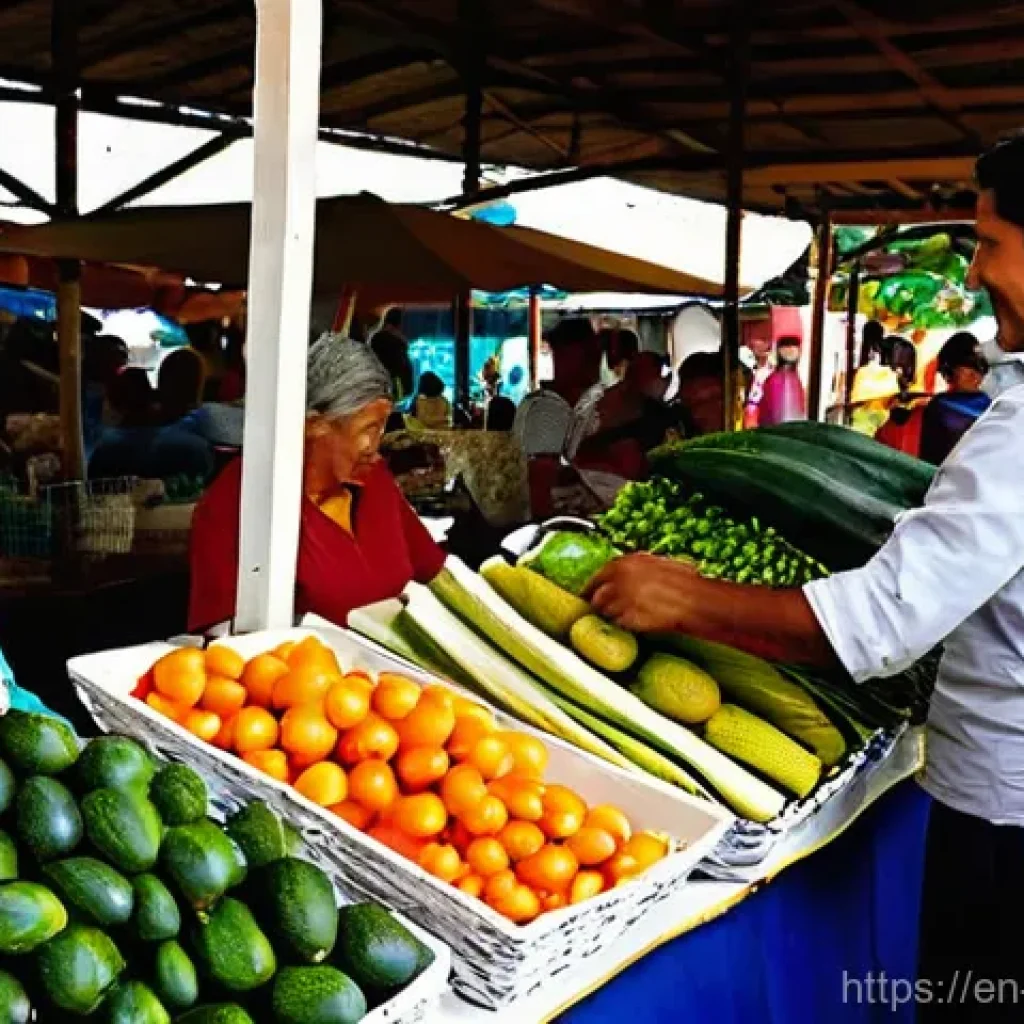
Understanding what things generally cost in Colones will empower you immensely. Prices for everyday items like a bus ride, a coffee, or a meal at a local “soda” are almost always quoted in Colones. For instance, a local bus ride within a town might be around 300-600 CRC, a cup of coffee could be 1,000-1,500 CRC, and a hearty casado (a typical Costa Rican meal) at a soda might range from 3,000-5,000 CRC. Knowing these ballpark figures prevents you from being caught off guard or accidentally overpaying. I remember one time, I was trying to buy some fruit at a local market, and the vendor quoted a price in dollars that felt a bit high. When I politely asked for the price in Colones, it was significantly lower than what his dollar conversion implied. It wasn’t intentional deception, but rather a simple rounding up. This is why having some Colones in your pocket for these smaller, local interactions is absolutely crucial. It allows you to participate in the local economy more authentically and ensures you’re getting fair value, making your daily adventures smoother and more enjoyable, especially when you’re exploring off the beaten path where dollars are less common.
Cash is King (Sometimes): Smart Strategies for Your Colones and Dollars
Even in our increasingly digital world, cash still holds a significant reign in Costa Rica, especially outside of the major cities and tourist hubs. While you might be tempted to rely solely on your plastic, I’ve learned the hard way that a good stash of Colones (and a few smaller dollar bills) is absolutely indispensable. Imagine yourself in a tiny surf town, wanting to grab a quick bite from a roadside stand, or needing to pay for a local ferry that only accepts cash. Your card won’t help you then! I always make it a point to break down larger bills into smaller denominations as soon as I can. Trying to pay for a 1,500 CRC coffee with a 20,000 CRC bill can be a real headache for a vendor, and sometimes they simply won’t have the change, which means you might miss out. My go-to strategy is to use larger bills when I know I’m making a substantial purchase, like groceries at a larger supermarket, and then stash the smaller change for everyday necessities. It’s a simple trick, but it removes a lot of potential frustration and makes you a much more appreciated customer. Trust me, having those 1,000 and 2,000 Colón bills will make your life so much easier.
Banks vs. Independent Exchangers: A Traveler’s Dilemma
When it comes to exchanging your money, you’ll encounter a few options, and choosing wisely can save you a good chunk of change. Your best bet, almost always, is to exchange money at official banks. They typically offer the most favorable and transparent exchange rates. I’ve always made it a point to visit a national bank like Banco Nacional or Banco de Costa Rica when I arrive. Yes, there might be a queue, and you’ll need your passport, but the peace of mind knowing you’re getting a fair rate is invaluable. On the flip side, you’ll see independent money changers, often in touristy areas, and while they might seem convenient, their rates are almost always less competitive, and sometimes they even charge hidden fees. I once made the mistake of exchanging a small amount with an unofficial changer near a popular beach just for convenience, and when I did the math later, I realized I’d lost a significant percentage compared to the bank rate. Avoid the temptation; a little extra walk or wait at a bank is worth it. Plus, it feels much safer, reducing any concerns about counterfeit currency, which is always a worry in any unfamiliar place.
Small Denominations are Your Best Friend
Seriously, this cannot be stressed enough: carry small bills! Both Colones and US dollars in small denominations are incredibly useful. For Colones, think 1,000, 2,000, and 5,000 notes. For US dollars, singles, fives, tens, and twenties are perfect. Why? Because many smaller businesses, street vendors, and even taxi drivers operate on a cash-only basis and often don’t have change for large bills. Trying to pay for a $3 souvenir with a $50 bill is just asking for trouble and can lead to awkward situations or even you not being able to make the purchase. I’ve been in situations where I couldn’t buy a refreshing coconut water because all I had was a large Colón bill, and the vendor simply couldn’t break it. It’s frustrating! So, whenever you get change from a larger purchase at a supermarket or bank, try to keep those smaller bills separated and readily accessible. This simple habit will smooth out countless transactions throughout your trip, making interactions more pleasant and efficient, especially when you’re quickly grabbing a snack or paying for a small service. It makes you feel like a seasoned traveler who’s got it all figured out, which is always a nice feeling.
Navigating ATMs and Credit Card Use in the Land of Pura Vida
Okay, let’s talk plastic. While cash is essential, your debit and credit cards will definitely come in handy for larger expenses and for getting cash when you need it. However, it’s not as simple as just swiping everywhere. You need to be smart about how and where you use them to avoid unnecessary fees and, more importantly, to protect yourself from fraud. Before you even leave home, make sure you notify your bank and credit card companies of your travel plans. I’ve forgotten to do this once, and my card got blocked mid-trip, which was a massive headache! Look for ATMs associated with reputable banks like Banco Nacional, Banco de Costa Rica, or BAC Credomatic. These are generally safer and more reliable. When using an ATM, always check for skimmers – those sneaky devices thieves attach to card readers. Give the card slot a little wiggle; if anything feels loose, walk away. And always, always cover your hand when entering your PIN. Trust your gut; if an ATM looks dodgy or is in a poorly lit area, find another one. It’s better to be safe than sorry, and a little caution goes a long way in ensuring your financial peace of mind while you’re enjoying your adventure.
Avoiding Fees and Skimmers: My Top Tips
Those sneaky ATM fees can really add up, turning your quick cash withdrawal into an expensive endeavor. Most Costa Rican banks will charge an ATM fee, which is pretty standard. However, your own bank might also hit you with foreign transaction fees. To minimize this, check if your bank offers a travel-friendly debit card with no foreign transaction fees or ATM reimbursement. I personally use a card that reimburses ATM fees worldwide, and it’s been a game-changer. Also, try to withdraw larger amounts less frequently rather than small amounts multiple times. Each transaction usually incurs a flat fee, so consolidating your withdrawals saves money. As for skimmers, beyond checking the card slot, be vigilant about your surroundings. If someone is lingering too close or seems to be watching you, move to another ATM. I also prefer using ATMs that are inside a bank during business hours, as they’re generally more secure. It might sound a bit paranoid, but a little extra vigilance protects your hard-earned cash and prevents a ruined trip. Trust me, dealing with credit card fraud while you’re trying to relax on a beach is the absolute last thing you want.
Always Carry a Backup Card (or Two!)
This is a non-negotiable piece of advice that I learned from a minor scare years ago. Never, ever rely on just one card. What if your debit card gets lost, stolen, or swallowed by an ATM? What if your credit card gets blocked due to suspicious activity? Having a backup (or even a second backup) stored securely and separately from your primary wallet is crucial. I keep my main debit card in my wallet, a backup credit card hidden in a different bag, and another emergency credit card locked away in my accommodation safe. This way, if disaster strikes, I’m not left stranded without access to funds. Make sure your backup cards are from different banks if possible, just in case one bank’s system is down or they have a widespread issue. Also, keep photos of the front and back of all your cards (redacting the security code, of course) on your phone or in a secure cloud storage, along with emergency contact numbers for your banks. This makes reporting a lost or stolen card much easier. It’s all about having a safety net, so you can continue enjoying your Pura Vida experience without any financial hiccups.
Budgeting for the Pura Vida Lifestyle: Making Your Money Last
One of the biggest questions I get about Costa Rica is, “How much money do I actually need?” And honestly, it varies wildly depending on your travel style. Are you a luxury resort enthusiast or a backpacker hunting for the cheapest hostel? Are you dining exclusively at tourist restaurants or savoring local “sodas”? Budgeting effectively means understanding these nuances and making conscious choices. Costa Rica can be surprisingly expensive in some aspects, particularly for imported goods or services geared towards international tourists. However, it can also be incredibly affordable if you embrace local living. My personal philosophy is to balance a few splurges with a lot of local experiences. For example, I might splurge on a once-in-a-lifetime ziplining tour or a fancy dinner overlooking the Pacific, but for daily meals, I’m hitting up the local markets and sodas. This approach allows me to experience the best of both worlds without breaking the bank. Creating a realistic daily budget and sticking to it (mostly!) will ensure you don’t run out of funds halfway through your adventure and can truly savor every moment of your Costa Rican escape.
Daily Expenses: A Realistic Breakdown
To help you get a clearer picture, let’s look at some average daily expenses. Keep in mind these are rough estimates, and your actual costs may vary. For accommodation, a budget hostel might run you $15-30 USD per night, while a mid-range hotel could be $70-150 USD. Food is where you can really save; a meal at a local soda is typically $5-10 USD (2,500-5,000 CRC), whereas a tourist restaurant could easily be $15-30 USD per person. Transportation also has a wide range; local buses are incredibly cheap, often just a few dollars for a long journey, while taxis or Ubers (where available) will be significantly more. Day tours can range from $50-150 USD depending on the activity. I always build in a buffer for unexpected costs or spontaneous activities. On average, a mid-range traveler might spend around $60-100 USD per day if they’re mixing local eats with some tourist activities, excluding major tours or high-end accommodation. Backpackers can definitely get by on less, sometimes as low as $30-50 USD a day, if they’re really frugal. Knowing these figures helps you plan your cash withdrawals and daily spending, keeping you on track for a financially stress-free trip.
Tipping Etiquette: A Local Guide
Tipping in Costa Rica is a bit different than in North America, and it’s good to be aware of the local customs to avoid any awkward situations. At sit-down restaurants, you’ll almost always see a 10% service charge already included in your bill, listed as “servicio.” This service charge is legally mandated, and it’s meant to be distributed among the staff. So, you don’t typically need to add an additional tip on top of this. However, if the service was absolutely exceptional, an extra small amount (perhaps rounding up or adding 5-10% more in Colones) is always appreciated, but not expected. For tour guides, drivers, and hotel staff, a tip is usually welcome, especially if they’ve gone above and beyond. For a good tour guide, I usually tip around $5-10 USD (or the Colón equivalent) per person, depending on the length and quality of the tour. For taxi drivers, rounding up the fare is a nice gesture, but not strictly necessary. It’s all about showing appreciation for good service. I once had a tour guide who went out of his way to help me spot a rare quetzal, and I was more than happy to give him an extra tip to acknowledge his incredible effort. It’s those personal touches that make a trip special, and recognizing them with a thoughtful tip just enhances the whole experience for everyone involved.
My Personal Hacks for Saving Money in Costa Rica
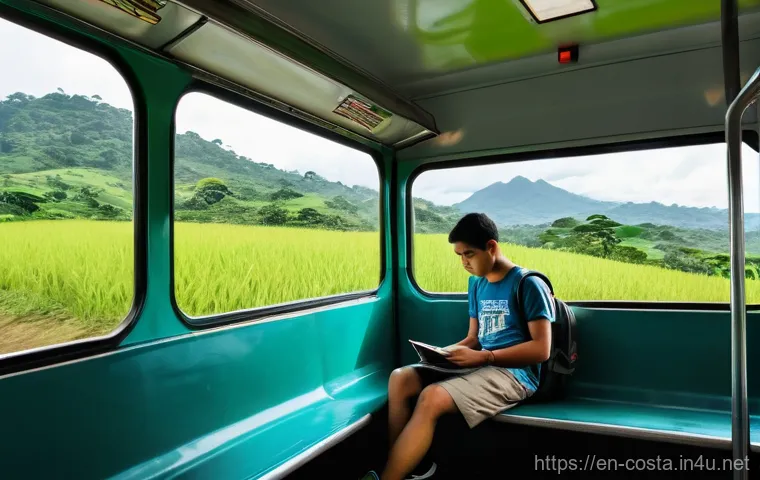
Over the years and many trips to Costa Rica, I’ve picked up a few insider tips and tricks that have significantly helped me stretch my travel budget without sacrificing any of the Pura Vida magic. It’s not about being super cheap; it’s about being smart and experiencing Costa Rica like a local, which often leads to more authentic and memorable moments anyway. One of my absolute favorite hacks is embracing the local transportation system. Forget expensive private shuttles for every journey. The public bus system here is incredibly efficient, extensive, and unbelievably affordable. You might not always have air conditioning, and it can be a bit of an adventure, but you’ll see so much more of the country and meet some amazing locals along the way. I’ve had some of my best conversations and witnessed some truly heartwarming scenes on those buses. Another great way to save is by cooking some of your own meals, especially if you’re staying in an Airbnb or a hostel with kitchen facilities. Head to the local ferias (farmers’ markets) or smaller supermarkets for fresh, seasonal produce, and you’ll eat like royalty for a fraction of the cost of dining out every night. These small adjustments make a huge difference to your overall budget and allow you to splurge on the things that truly matter to you, like an unforgettable adventure tour or a stay at that dreamy eco-lodge you’ve been eyeing.
Embracing Local Sodas and Markets
If there’s one piece of advice I can give you for saving money and truly experiencing Costa Rican cuisine, it’s this: eat at the local “sodas” and shop at the “ferias” (farmers’ markets). Sodas are small, family-run restaurants that serve delicious, authentic, and incredibly affordable meals. You’ll find traditional dishes like “casados” (a plate with rice, beans, salad, plantains, and your choice of meat or fish) for a fraction of the price of a tourist-focused restaurant. Not only will your wallet thank you, but your taste buds will too! I’ve had some of the most flavorful and heartwarming meals in the simplest of sodas, often exchanging smiles with the local families running them. As for markets, they are a vibrant explosion of fresh fruits, vegetables, and local delicacies. Skip the imported snacks at convenience stores and load up on fresh mangoes, pineapples, and passion fruit. You’ll find better quality, support local farmers, and save a bundle. Plus, wandering through a Costa Rican market is an experience in itself – a sensory delight filled with colors, sounds, and incredible aromas. It’s truly a cornerstone of the Pura Vida lifestyle and a hack that keeps on giving, both financially and culturally. Don’t be shy; just point to what looks good and enjoy the bounty!
Negotiating (Politely!) Where You Can
Now, this isn’t to say you should haggle aggressively like you might in some other parts of the world. Costa Ricans are generally very polite and gentle, and aggressive bargaining is considered rude. However, there are situations where a polite inquiry about a price can yield some flexibility, especially in certain markets or with independent vendors. For example, if you’re buying multiple items from a craft vendor at a souvenir market, it’s perfectly acceptable to ask, “Is there a better price if I buy two?” or “What’s the best price for this?” with a friendly smile. Often, you might get a small discount or a bundled deal. I’ve also found that for longer-term rentals, like a surfboard or a bike for several days, there’s often room for a slight reduction if you ask. The key is to be respectful, friendly, and understanding if they say no. Never make it a confrontational thing. It’s more about building a rapport and seeing if there’s a little wiggle room, especially if you’re a repeat customer or making a larger purchase. It’s a subtle art, but when done right, it can save you a little extra Colón here and there, making your money stretch further for even more Pura Vida adventures.
Essential Apps and Tools for Financial Peace of Mind
In this digital age, even when you’re trying to disconnect and enjoy the rainforest, having the right financial tools at your fingertips can make a huge difference in managing your money effectively and staying stress-free. There are some fantastic apps and digital services that I personally rely on every time I travel, and Costa Rica is no exception. These tools help me track my spending, convert currency on the fly, and even find safe ATMs. Think of them as your digital travel companions, silently working in the background to ensure your finances are as smooth as a fresh Costa Rican smoothie. Before you leave, take a moment to download these and get familiar with them. It takes just a few minutes of preparation, but it can save you hours of confusion or potential financial headaches down the road. Trust me, being able to quickly check an exchange rate or locate your bank’s partner ATM without fumbling through papers or trying to find Wi-Fi is incredibly liberating, allowing you to focus on the truly important things, like spotting that sloths or chasing waterfalls.
Currency Converters and Banking Apps
A reliable currency converter app is an absolute must-have on your phone. I personally use one that works offline, which is super handy when you’re in areas with spotty internet. These apps let you quickly convert Colones to your home currency (and vice versa) so you can make informed decisions on purchases. No more mental math struggles or feeling unsure if you’re getting a fair price! Just punch in the numbers, and boom – instant clarity. It’s a simple tool, but it saves so much brainpower and potential overspending. Additionally, make sure you have your personal banking app installed and set up before you go. This allows you to monitor your transactions, check your balance, and report any suspicious activity immediately. I always check my transactions daily to catch any unauthorized charges right away. It’s also great for budgeting, as you can see exactly where your money is going. Having direct access to your financial information provides a huge sense of security and control, letting you travel with a clear head and an organized wallet.
Emergency Funds and Travel Insurance: Your Financial Safety Net
Okay, let’s talk about the less glamorous but incredibly important stuff: emergency funds and travel insurance. No one wants to think about things going wrong on vacation, but unfortunately, they sometimes do. Having an easily accessible emergency fund is critical. This isn’t just for a lost wallet; it could be for an unexpected medical expense, a missed flight, or any unforeseen situation that requires immediate cash. I usually keep a separate savings account that I can quickly transfer from, or a small amount of USD cash stashed away in a secure, hidden spot (not in my main wallet). Secondly, travel insurance is non-negotiable. It covers everything from medical emergencies and trip cancellations to lost luggage and theft. I’ve had friends who had to use their travel insurance for unexpected doctor visits or even a stolen backpack, and it saved them thousands of dollars and immense stress. Always read the fine print to understand what your policy covers. It’s a small upfront cost that buys you enormous peace of mind, allowing you to fully immerse yourself in the beauty of Costa Rica without constantly worrying about “what if.” Consider it an investment in a truly worry-free Pura Vida experience, because some things are just worth paying for.
| Expense Category | Local Currency (CRC) Estimate | USD Equivalent (Approx.) | Tips for Saving |
|---|---|---|---|
| Local Bus Ride (short) | 300 – 600 CRC | $0.60 – $1.20 | Utilize public transport for efficiency and cost. |
| Meal at Local “Soda” | 3,000 – 5,000 CRC | $6 – $10 | Embrace local eateries for authentic and affordable food. |
| Fresh Fruit at Market | 500 – 2,000 CRC | $1 – $4 | Shop at “ferias” for fresh, cheap, and local produce. |
| Bottle of Water (supermarket) | 700 – 1,200 CRC | $1.40 – $2.40 | Carry a reusable bottle and refill where possible to save money and reduce plastic waste. |
| Small Coffee (local shop) | 1,000 – 1,500 CRC | $2 – $3 | Enjoy local coffee culture; prices are generally fair. |
| Mid-Range Hotel (per night) | 35,000 – 75,000 CRC | $70 – $150 | Consider hostels or Airbnbs with kitchens to reduce food costs. |
Wrapping Things Up
So, there you have it, fellow adventurers! Navigating the financial landscape of Costa Rica might seem a little daunting at first, but with a bit of savvy and these tips, you’ll be a Colón-counting pro in no time. Embracing the local currency and understanding the nuances of cash versus card isn’t just about saving a few bucks; it’s about enriching your entire Pura Vida experience, connecting more authentically with the culture, and feeling like a true insider. Every little adjustment, from choosing a local soda to knowing when to politely inquire about a price, adds up to a more enjoyable and financially stress-free trip. Go forth, explore, and let your money empower your adventures!
Useful Bits to Remember
1. Always prioritize using Costa Rican Colones for daily expenses; it often ensures you get the best value and avoids unfavorable dollar exchange rates at local businesses.
2. Exchange your money at official banks like Banco Nacional or Banco de Costa Rica for the most transparent and fair rates, even if it means a short wait.
3. Carry small denominations of both Colones (1,000, 2,000, 5,000 notes) and US dollars ($1, $5, $10, $20) for smoother transactions, especially with street vendors and small shops.
4. Notify your bank of your travel plans and use reputable ATMs (inside banks during business hours) to minimize fees and protect yourself from skimmers.
5. Embrace local sodas and farmers’ markets (“ferias”) for delicious, authentic, and budget-friendly meals, and consider cooking some of your own food if your accommodation allows.
Key Takeaways
Successfully managing your money in Costa Rica is all about balancing convenience with smart local practices. Use Colones for everyday purchases, exchange currency at banks, carry small bills, and be vigilant with your cards. Don’t forget travel insurance and an emergency fund for true peace of mind. By doing so, you’ll not only save money but also immerse yourself deeper into the beautiful Pura Vida lifestyle.
Frequently Asked Questions (FAQ) 📖
Q: What currency should I mostly use in Costa Rica, US dollars or the local Colón?
A: This is probably the number one question I get, and honestly, it’s a bit of a dance between the two! From my own experiences, especially in tourist-heavy areas like La Fortuna, Tamarindo, or near the national parks, US dollars are widely accepted and often preferred for larger purchases like tours, hotels, or even some restaurant bills.
You’ll often see prices listed in USD. However, for smaller transactions – think buying a refreshing pipa fría (coconut water) from a roadside stand, paying for a local bus, or grabbing snacks at a small ‘soda’ (local eatery) – using Costa Rican Colones (CRC) is definitely the way to go.
You’ll generally get a better price and it just feels more local. I always make sure to carry a mix of both. When I’m paying in USD, I keep smaller denominations on hand, like $5s and $10s, because sometimes if you pay with a large bill, your change might come back in Colones, and not always at the most favorable exchange rate.
My best tip? Use USD for bigger splurges and Colones for daily necessities; it balances convenience with getting the best value.
Q: What’s the smartest way to get Colones once I’m in Costa Rica?
A: Okay, so you’ve decided to embrace the Colón – smart move! Now, how to get your hands on them without getting fleeced? My go-to method, hands down, is using local ATMs.
I’ve found that withdrawing Colones directly from an ATM, especially those connected to reputable banks like Banco Nacional or BCR (Banco de Costa Rica), usually gives you the most accurate and fair exchange rate, close to the official interbank rate.
Just make sure to check with your bank before you leave about any foreign transaction fees and daily withdrawal limits. Also, always opt to be charged in the local currency (Colones) if the ATM gives you the option – letting the ATM convert it to your home currency can often lead to a much worse rate.
As for currency exchange offices at the airport or in tourist towns, I’ve used them in a pinch, but from my observations, their exchange rates are usually less favorable than what you’d get from an ATM.
I always try to withdraw a decent amount to last me a few days, especially if I’m heading to a more remote area where ATMs might be scarce. And a little safety tip: always use ATMs in well-lit, secure locations, preferably inside or right next to a bank during business hours.
Q: Can I rely on credit cards for most purchases, or should I carry a lot of cash?
A: This is a fantastic question, and it really depends on your travel style and where you’re headed! In my experience, major credit cards like Visa and Mastercard are widely accepted at hotels, larger restaurants, supermarkets, and tour operators, especially in popular tourist destinations.
Discover and American Express are less commonly accepted, so I wouldn’t solely rely on them. Using a credit card can be super convenient and often offers a good exchange rate, plus many travel cards have no foreign transaction fees, which is a huge bonus!
However, you absolutely cannot rely on cards everywhere. Smaller local sodas, street vendors, taxi drivers, and many smaller shops or guesthouses will be cash-only, and specifically, they’ll often prefer Colones.
I always make sure to carry a good amount of cash – a mix of USD (small bills) and Colones – for those situations. It’s also wise to have cash for tipping guides, drivers, and hotel staff, as it’s a lovely way to show appreciation, and they prefer cash.
So, while credit cards are great for convenience and bigger expenses, don’t underestimate the power of cold, hard cash (both USD and Colones!) to keep your Pura Vida adventures running smoothly, especially when you’re off the beaten path!