Costa Rica’s rich agricultural heritage is deeply intertwined with its world-renowned coffee industry, which has shaped both its economy and culture for centuries.
From small family farms nestled in volcanic highlands to sustainable practices driving modern growth, coffee production here is more than just a crop—it’s a way of life.
The country’s commitment to quality and environmental stewardship has earned its beans a special place in global markets. Whether you’re a coffee lover or simply curious about sustainable farming, Costa Rica offers a fascinating glimpse into how agriculture and tradition blend seamlessly.
Let’s dive deeper to uncover the story behind this vibrant industry. Get ready to explore all the details ahead!
The Evolution of Coffee Farming Techniques
From Traditional Practices to Modern Innovation
Coffee farming in Costa Rica has undergone a remarkable transformation over the decades. Initially, farmers relied on age-old methods passed down through generations—hand-picking cherries at just the right ripeness, drying beans on patios, and using natural fertilizers.
While these techniques still hold sentimental and practical value, the push toward innovation has introduced more precise irrigation systems and mechanized processing methods.
What’s interesting is how many smallholders combine both approaches, blending tradition with technology to maintain bean quality while boosting efficiency.
I’ve seen firsthand how some farms use drones to monitor crop health, which is a far cry from the manual inspections of the past. This blend of old and new is what keeps Costa Rican coffee both authentic and competitive.
Sustainability as a Core Farming Principle
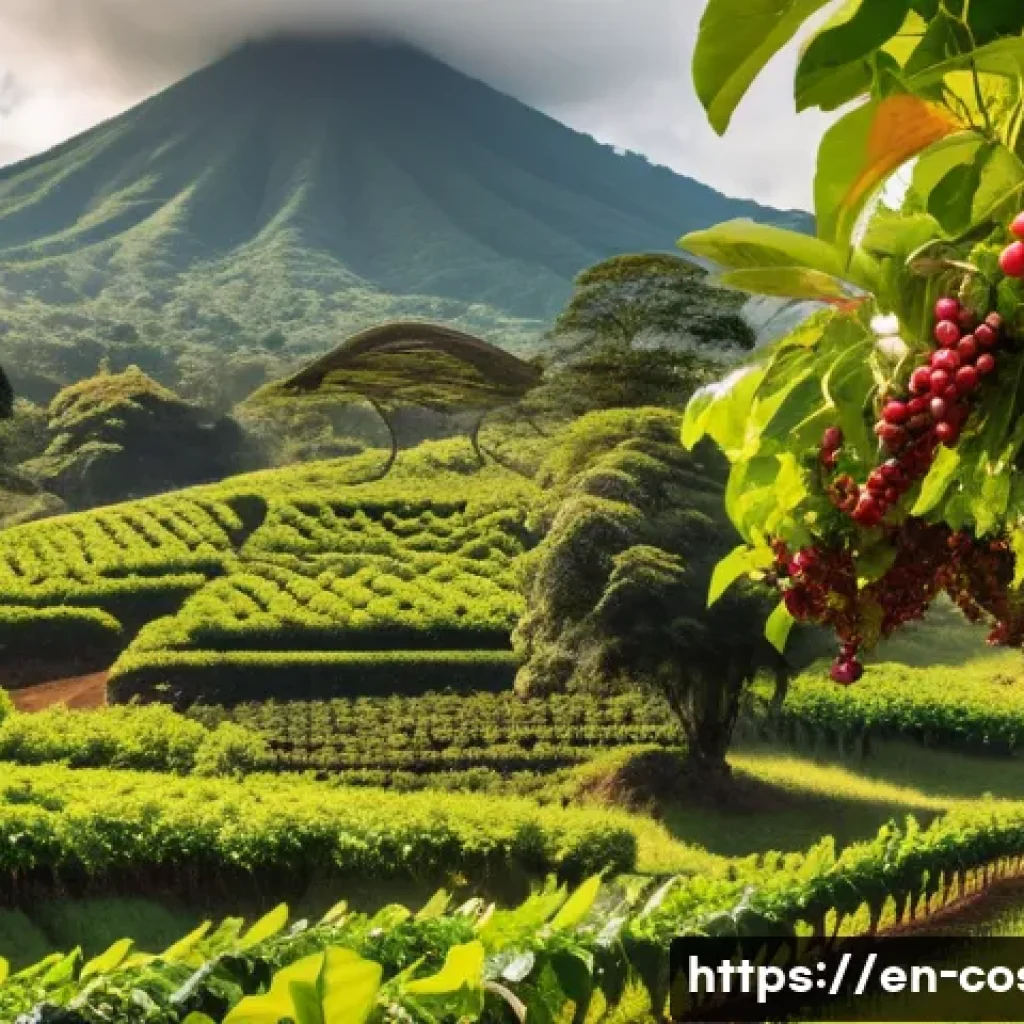
A significant shift in Costa Rican coffee production is the widespread adoption of sustainable farming practices. The country’s fertile volcanic soil and ideal climate conditions make it a perfect place for coffee cultivation, but farmers have increasingly recognized the need to protect these resources.
Shade-grown coffee, organic pest control, and water conservation are no longer niche practices but industry standards. Many farms have achieved certifications like Rainforest Alliance or Fair Trade, which not only improve environmental outcomes but also command higher prices on the international market.
Personally, visiting a certified farm showed me how these practices go beyond just labels—they foster healthier ecosystems and better livelihoods for farming families.
The Role of Microclimates in Coffee Quality
Costa Rica’s diverse microclimates create a complex coffee-growing environment. Even farms just a few miles apart can produce beans with distinctly different flavors, thanks to variations in altitude, rainfall, and temperature.
This diversity is a boon for coffee connoisseurs but a challenge for farmers who must adapt their methods to suit their unique conditions. For instance, beans grown at higher elevations tend to have brighter acidity and more complex aromas, while lower altitude coffees often exhibit fuller body and chocolate notes.
I’ve tasted beans from various regions like Tarrazú and Central Valley, and the flavor profiles are astonishingly distinct, highlighting how microclimates shape the cup.
Economic Impact and Community Development
Smallholder Farms and Local Economies
The backbone of Costa Rica’s coffee sector is its smallholder farmers, many of whom operate on family-owned plots less than 10 hectares in size. These farms are more than just production units—they’re community hubs that sustain rural economies.
Coffee income supports schools, healthcare, and infrastructure development in coffee-growing regions. Over the years, cooperatives have formed to help farmers pool resources, negotiate better prices, and access training programs.
From personal experience, I noticed how these cooperatives foster camaraderie and knowledge-sharing, empowering farmers to improve both crop quality and financial stability.
Global Market Position and Export Dynamics
Costa Rica has carved out a niche in the global coffee market as a producer of high-quality Arabica beans. The country’s reputation for premium coffee allows it to command higher prices compared to many competitors.
Exporters focus on specialty markets in the U.S., Europe, and Asia, where consumers are willing to pay a premium for ethically produced, flavorful coffee.
Interestingly, Costa Rica’s government and private sector have invested heavily in branding and quality control programs, ensuring consistent standards.
This strategic focus has helped the country weather fluctuations in commodity prices and strengthen its export revenues.
Economic Challenges and Opportunities
Despite its successes, Costa Rica’s coffee industry faces challenges like fluctuating global prices, climate change impacts, and labor shortages. However, these challenges have also spurred innovation, such as diversifying crop varieties and improving harvest timing to mitigate weather risks.
Additionally, tourism linked to coffee culture—like farm tours and barista workshops—has opened new revenue streams. When I visited a coffee hacienda that offered immersive experiences, it was clear that agritourism is not just a novelty but a vital complement to traditional farming income.
Environmental Stewardship and Biodiversity Preservation
Protecting Volcanic Highlands and Forests
Costa Rica’s coffee farms often lie in ecologically sensitive areas like volcanic highlands, home to rich biodiversity. Maintaining forest cover and natural habitats around coffee plantations is crucial for preserving wildlife and water quality.
Many farmers employ agroforestry techniques, planting native shade trees that support bird populations and reduce soil erosion. I was struck by how these natural buffers also contribute to the coffee’s flavor complexity by regulating microclimates and soil health.
This symbiotic relationship between coffee cultivation and nature conservation is a defining feature of Costa Rica’s approach.
Water Conservation and Waste Management Practices
Water is a critical resource in coffee processing, especially during the wet milling phase. Progressive farms now use closed-loop water systems and bio-digesters to minimize pollution and recycle wastewater.
Instead of discarding coffee pulp waste, some farms convert it into organic compost or biogas, reducing environmental impact while cutting costs. Observing these processes firsthand revealed a thoughtful balance between operational needs and environmental responsibility.
It’s clear that sustainability here is a comprehensive commitment, not just a marketing angle.
Climate Change Adaptation Strategies
Rising temperatures and unpredictable rainfall patterns pose serious risks to coffee yields and quality. Costa Rican farmers are increasingly adopting climate-smart practices like selecting drought-resistant coffee varieties, adjusting planting schedules, and enhancing soil carbon sequestration.
Government agencies and NGOs also support research and extension services to help farmers stay ahead of climate threats. When I spoke with a local agronomist, they emphasized that adaptation is a community effort requiring collaboration between farmers, scientists, and policymakers to safeguard the future of coffee farming.
Unique Coffee Varietals and Flavor Profiles
Exploring Arabica Varieties Grown in Costa Rica
Costa Rica primarily cultivates Arabica coffee, renowned for its superior flavor compared to Robusta. Within Arabica, several varietals thrive here, including Caturra, Catuai, and Geisha.
Each brings its own sensory characteristics—Caturra offers bright acidity and citrus notes, while Geisha is famed for jasmine and tropical fruit aromas.
Tasting different varietals side by side offers a fascinating glimpse into the complexity of coffee genetics and terroir. As a coffee enthusiast, I find this diversity exciting because it means there’s always something new to discover in each cup.
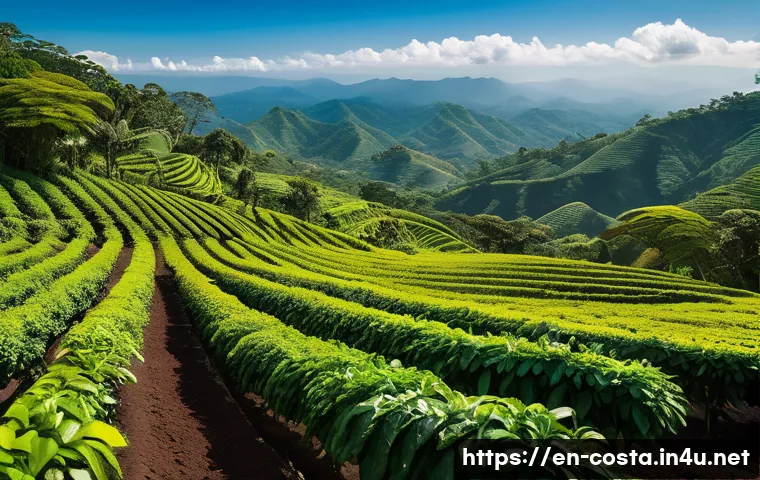
Regional Flavor Differences and Roasting Techniques
The interplay between bean origin and roasting style significantly influences the final coffee experience. Costa Rican roasters often tailor their profiles to highlight regional traits—lighter roasts for Tarrazú to preserve floral notes, medium roasts for Central Valley to balance acidity and body.
I once chatted with a master roaster who explained how subtle adjustments in roasting time and temperature can enhance or mute specific flavor compounds.
This artistry adds another layer of enjoyment for consumers and deepens appreciation for the craft behind every bag of coffee.
Specialty Coffee Certifications and Their Impact
Certifications like Organic, Fair Trade, and Rainforest Alliance have become synonymous with quality and ethical standards. These labels reassure consumers about the environmental and social footprint of their coffee.
For farmers, certification often means access to premium markets and better prices, which can translate into investments in farm improvements and family welfare.
I’ve noticed that certified farms tend to prioritize transparency and traceability, which builds trust throughout the supply chain and elevates the global standing of Costa Rican coffee.
Integrating Coffee Culture into Tourism and Lifestyle
Farm Tours and Coffee Experiences for Visitors
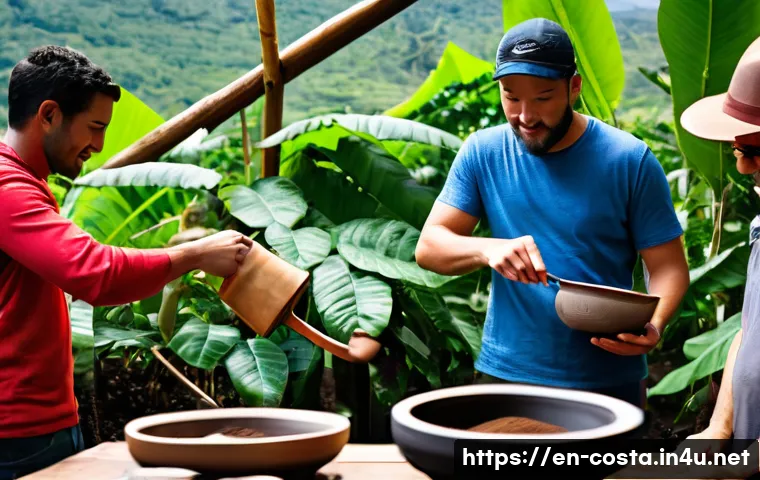
Coffee tourism in Costa Rica has blossomed into a popular activity, blending education with sensory delight. Visitors can tour plantations, participate in picking and processing, and sample freshly brewed cups.
These immersive experiences offer a behind-the-scenes look at coffee’s journey from seed to cup. I attended a cupping session where expert tasters guided us through flavor notes and brewing techniques—it was eye-opening to realize how much skill and passion go into each sip.
This connection to the land and people enhances the appreciation of coffee as more than just a beverage.
Cultural Traditions and Coffee Festivals
Coffee is deeply woven into Costa Rican identity, celebrated through festivals and local customs. Events like the National Coffee Festival showcase music, dance, crafts, and, of course, coffee tastings.
These gatherings strengthen community bonds and highlight the importance of coffee beyond economics. Experiencing a festival firsthand, I was impressed by the pride and joy locals express for their heritage, which is passed down with warmth and enthusiasm.
This cultural vibrancy adds richness to the coffee narrative.
Home Brewing Trends and Coffee Consumption Habits
The rise of specialty coffee culture has influenced how Costa Ricans enjoy their daily cup. More people are investing in quality brewing equipment—from pour-over sets to espresso machines—reflecting a growing appreciation for nuanced flavors.
At the same time, traditional methods like café chorreado (cloth-filtered coffee) remain popular, offering a comforting taste of history. I’ve noticed that social media also plays a role, with enthusiasts sharing brewing tips and recipes, fueling a community of home baristas eager to experiment and learn.
Comparing Costa Rica’s Coffee Regions and Their Characteristics
Key Growing Regions and Their Environmental Features
Costa Rica’s coffee landscape is divided into several notable regions, each with distinct environmental conditions that influence coffee quality. The high-altitude Tarrazú region is famous for its cool temperatures and volcanic soil, producing beans with bright acidity and fruity notes.
Meanwhile, the Central Valley offers a milder climate and balanced flavor profiles, making it a versatile growing area. Other regions like Tres Ríos and West Valley contribute unique nuances, shaped by microclimates and soil composition.
The diversity across these regions is a major factor in Costa Rica’s coffee acclaim.
Harvest Seasons and Their Impact on Coffee Availability
Harvest periods vary by region, generally occurring between November and March, but exact timing depends on altitude and weather patterns. Higher elevation farms tend to harvest later, which can result in longer bean maturation and more complex flavors.
These staggered harvests allow for a steady supply of fresh coffee throughout the season, benefiting exporters and roasters alike. When I visited farms at different elevations, I noticed how the rhythm of harvest affects everything from labor demand to processing schedules, making the coffee calendar a dynamic aspect of the industry.
Table: Overview of Major Costa Rican Coffee Regions
| Region | Altitude Range | Climate Characteristics | Flavor Profile |
|---|---|---|---|
| Tarrazú | 1,200 – 1,900 meters | Cool, volcanic soil, high rainfall | Bright acidity, floral, fruity |
| Central Valley | 1,000 – 1,500 meters | Mild temperature, balanced rainfall | Balanced acidity, nutty, chocolate notes |
| West Valley | 1,200 – 1,700 meters | Moderate humidity, volcanic influence | Sweet, smooth body, caramel hints |
| Tres Ríos | 1,200 – 1,600 meters | Consistent rainfall, fertile soil | Bright, citrus, medium body |
Conclusion
In summary, Costa Rica’s coffee industry beautifully balances tradition and innovation, sustainability, and economic growth. The country’s diverse microclimates and unique varietals contribute to exceptional coffee flavors that captivate enthusiasts worldwide. Embracing environmental stewardship and integrating coffee culture into tourism further enriches its global appeal. This dynamic blend ensures Costa Rican coffee remains a symbol of quality and cultural pride.
Useful Information to Know
1. Costa Rican coffee farms often combine traditional hand-picking methods with modern technology like drones to improve crop monitoring and efficiency.
2. Sustainable practices such as shade-grown coffee and organic pest control are widely adopted, helping protect the environment and increase coffee quality.
3. Microclimates greatly affect flavor profiles, with higher elevations producing brighter acidity and lower regions offering fuller-bodied coffees.
4. Smallholder farms play a vital role in local economies, supported by cooperatives that enhance farmers’ incomes and community development.
5. Coffee tourism, including farm tours and cultural festivals, offers immersive experiences that deepen appreciation for Costa Rica’s coffee heritage.
Key Takeaways
Costa Rica’s coffee success stems from a thoughtful integration of time-honored farming techniques with modern innovations and sustainability efforts. The country’s unique geography creates diverse flavor profiles, while certifications and quality control maintain its premium market position. Challenges like climate change have sparked adaptive strategies and new economic opportunities such as agritourism. Ultimately, the strong connection between coffee, community, and environment defines Costa Rica’s enduring coffee legacy.
Frequently Asked Questions (FAQ) 📖
Q: What makes Costa Rican coffee unique compared to coffee from other countries?
A: Costa Rican coffee stands out largely due to its high-altitude volcanic soil, which provides ideal growing conditions that enhance the beans’ flavor complexity.
The country’s strict regulations prohibit the use of low-quality beans, ensuring only the best Arabica beans are cultivated. Additionally, many farms emphasize sustainable and organic farming practices, which not only benefit the environment but also contribute to a cleaner, brighter cup of coffee.
Having visited some of these farms myself, I noticed how passionate farmers are about quality, which truly comes through in every sip.
Q: How does sustainability influence coffee farming in Costa Rica?
A: Sustainability is at the heart of Costa Rica’s coffee industry. Farmers have embraced eco-friendly methods such as shade-grown coffee, water conservation, and organic pest control.
These practices protect biodiversity and maintain the health of the soil and surrounding ecosystems. From my experience touring these farms, it’s clear that sustainability isn’t just a trend but a deeply rooted value.
This commitment helps ensure that coffee production can continue for generations without harming the environment, making it a model for responsible agriculture worldwide.
Q: Can visitors experience Costa Rica’s coffee culture firsthand?
A: Absolutely! Costa Rica offers numerous coffee tours and farm stays where visitors can learn about the entire coffee-making process—from bean to cup. These experiences often include walking through lush plantations, watching the harvesting and roasting process, and tasting freshly brewed coffee.
I personally found these tours enlightening and enjoyable, as they provide a real connection to the farmers’ work and the country’s rich heritage. For coffee lovers, it’s a unique chance to deepen their appreciation and see why Costa Rican coffee is so highly regarded globally.