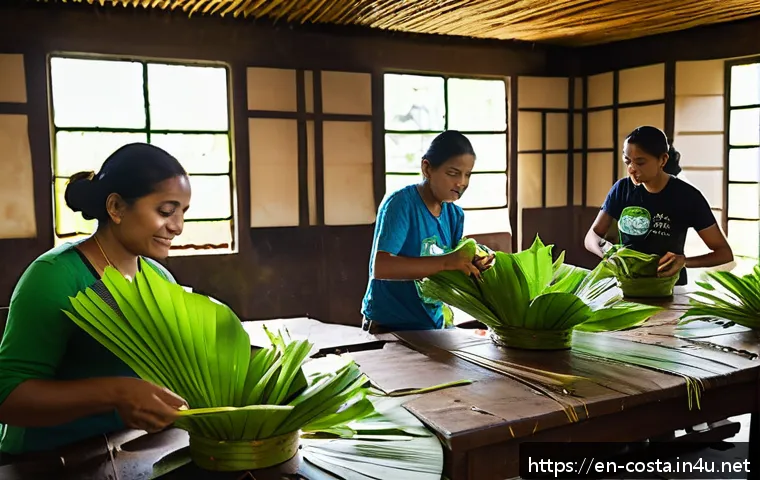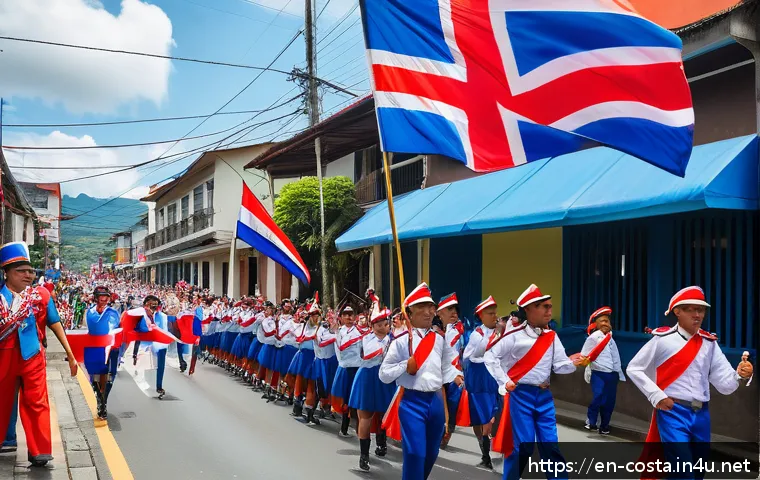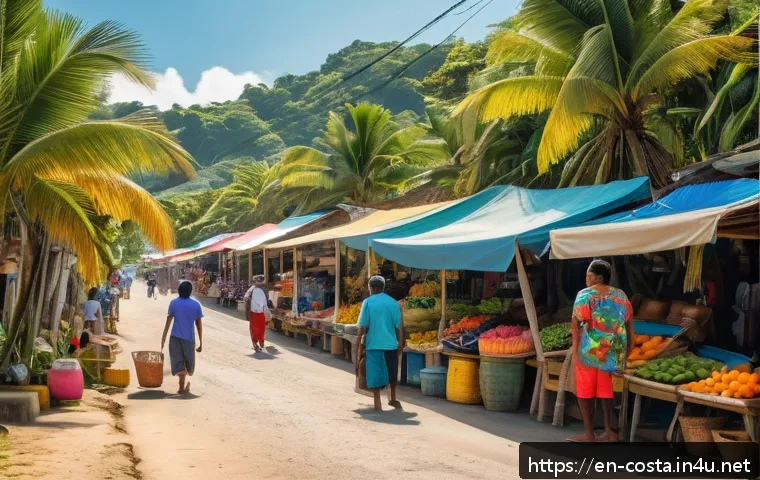
If you’ve ever traveled through Costa Rica, you might have noticed how the language shifts subtly from one province to another. These regional dialects are more than just accents—they’re windows into the country’s rich cultural tapestry and local identity.
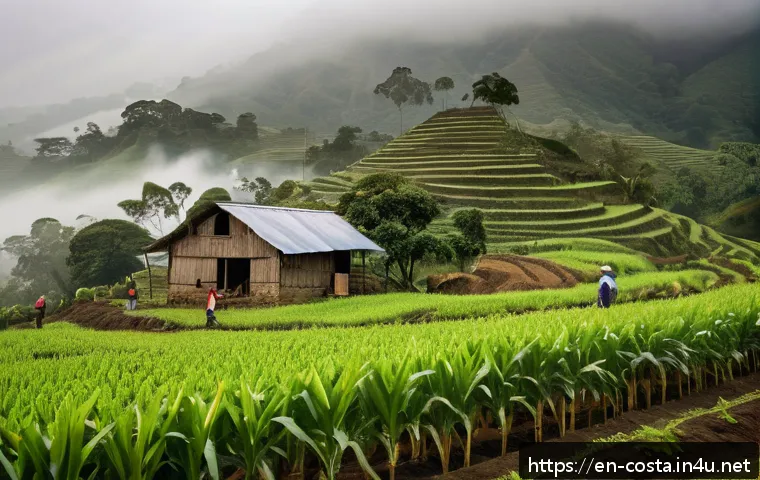
As Costa Rica continues to welcome curious travelers and language enthusiasts alike, understanding these linguistic nuances has become an exciting way to connect more deeply with its people.
In this post, we’ll explore the fascinating variations across provinces, revealing secrets that make each region uniquely vibrant. Whether you’re planning a trip or simply love languages, this journey through Costa Rica’s dialects promises fresh insights you won’t want to miss.
The Charm of Coastal Speech Patterns
Distinctive Sounds by the Sea
Traveling along Costa Rica’s Pacific and Caribbean coastlines, you’ll immediately notice how the local speech adopts a more relaxed, melodic rhythm. Coastal communities tend to elongate vowels, giving words a musical flow that feels almost like singing.
For example, the word “pura vida” (pure life), a beloved national phrase, might be stretched out with a softer “i” sound at the end. This subtle shift isn’t just a quirk; it reflects the laid-back lifestyle and close connection to the ocean that defines these areas.
Listening closely, you might catch locals blending Spanish with English or indigenous words, a legacy of trade and cultural exchange that’s been happening for centuries.
Vocabulary Unique to the Coast
Beyond pronunciation, certain coastal terms stand out. Words borrowed from Afro-Caribbean and indigenous languages pepper everyday conversations. For instance, “guaro” in the central regions simply means a local alcoholic drink, but near the Caribbean, you might hear “rums” used interchangeably, reflecting the influence of English-speaking settlers.
Fishing terms and names for tropical fruits also differ, with locals showing pride in their unique lexicon. This vocabulary diversity serves as a linguistic map, pointing to the coast’s rich, multicultural heritage that continues to thrive today.
How Coastal Dialects Influence Tourism
For visitors, understanding these coastal dialect nuances can deepen interactions and create memorable experiences. Tour guides often adopt the local speech style to build rapport, while restaurants and shops proudly use regional expressions to attract customers.
I remember chatting with a fisherman in Puerto Viejo who used a mix of Spanish and English slang, making our exchange feel authentic and lively. This linguistic warmth is part of what makes Costa Rica’s coastal regions so inviting and unforgettable.
Mountain Region Speech: A Blend of Tradition and Modernity
Pronunciation Shifts in the Highlands
In the mountainous provinces like Cartago and San Ramón, the Spanish spoken carries a slightly more formal tone but with its own twists. The “s” sounds tend to be sharper, and some consonants are pronounced more clearly, reflecting a speech pattern that’s both traditional and precise.
This clarity probably stems from the region’s history as a hub for education and agriculture, where communication needed to be clear and effective. It’s common to hear locals enunciate their words with a deliberate rhythm, as if preserving the purity of the language amidst changing times.
Expressions Rooted in Local Life
Highland communities often use idiomatic expressions tied to farming and nature. Phrases like “estar en las nubes” (to be in the clouds) might be used more literally here, given the frequent fog and mist in the mountains.
Farmers might talk about “la milpa” (cornfield) or “la finca” (farm) with a vocabulary full of affectionate terms unknown outside these areas. These expressions give outsiders a glimpse into the rural lifestyle and close relationship residents have with their environment, enriching the cultural tapestry through language.
Modern Influences and Language Evolution
While traditional speech holds strong, younger generations in mountain towns are blending global slang and tech terms into their Spanish. Social media and internet access have introduced words like “likear” (to like) or “postear” (to post), which are sprinkled casually into conversations.
I’ve noticed that this mix of old and new creates a dynamic linguistic environment that feels both rooted and evolving. It’s a reminder that language, much like the landscapes around these mountain towns, is always in flux.
Urban Centers: Fast-Paced Language and Slang
Rapid Speech and Abbreviations
In bustling cities like San José, the capital, language moves at a quick clip. People often shorten words or combine them, creating a fast-paced, efficient way of speaking that mirrors urban life’s hustle.
For instance, “qué tal” (what’s up) might get clipped to “ktal,” and “para” (for) can become “pa’.” This kind of speech is practical and social, helping people keep up in a city where everyone’s always on the go.
It can take some getting used to if you’re coming from slower-paced regions, but it’s part of the city’s vibrant rhythm.
Street Slang and Youth Culture
San José’s youth culture has developed its own set of slang words, some borrowed from English, others invented locally. Words like “tuanis” (cool) or “mae” (dude/bro) are staples among younger speakers.
These terms often spread quickly through music, social media, and daily chatter, reflecting the interconnectedness of urban youth. I recall hearing “mae” used everywhere during a recent visit, from cafes to markets, which instantly signaled a casual, friendly vibe.
This slang is a way for young people to express identity and belonging in a rapidly changing city.
Language as a Social Connector
In the city, language is more than communication—it’s a social tool that bridges diverse groups. Different neighborhoods might have their own slang variations, creating micro-dialects within the urban landscape.
Knowing a few key phrases can open doors and spark friendships, especially in places like coffee shops or public transport. From my own experience, attempting to speak local slang—even imperfectly—was met with smiles and helpful corrections, making interactions more engaging and genuine.
Central Valley Nuances: The Heart of Costa Rican Spanish
The Classic “Tico” Accent
The Central Valley, home to much of Costa Rica’s population, is often considered the linguistic heartland of the country. Here, you’ll hear the classic “tico” accent, characterized by soft consonants and a friendly, approachable tone.
The “vos” form is widely used instead of “tú,” which is a hallmark of Costa Rican Spanish. This region’s speech is often the one taught in language schools, representing a kind of standard that’s both clear and warm.
When I first learned Costa Rican Spanish, practicing the Central Valley accent helped me blend in and understand the local humor better.
Common Phrases and Cultural Expressions
The Central Valley is rich with idioms and expressions that capture the Costa Rican spirit. “Pura vida” is more than a phrase here; it’s a lifestyle and greeting rolled into one.
Other popular sayings include “mae” for friend and “brete” for work, which pepper everyday conversations with a casual familiarity. These phrases often carry emotional weight, expressing friendliness, gratitude, or camaraderie.
Locals have a knack for making language feel like a warm embrace, which is part of why the Central Valley feels so inviting.
Influence of Education and Media
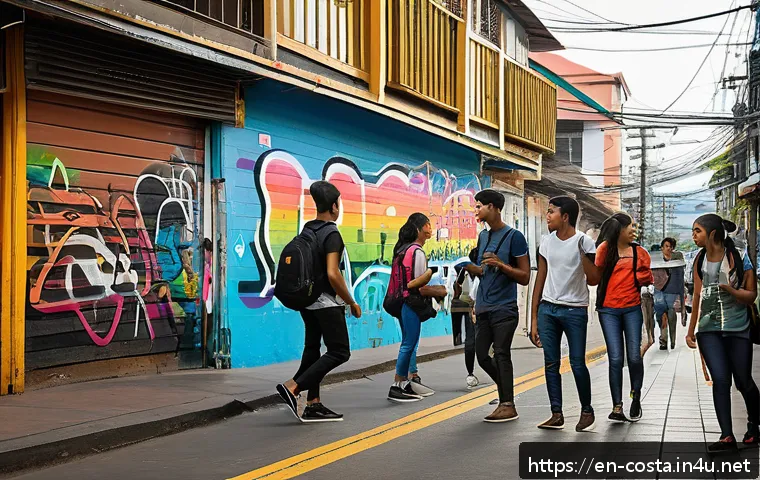
Because this region hosts many universities and media outlets, the language here tends to incorporate contemporary vocabulary and more formal grammar.
News broadcasts and official communications set a tone that influences everyday speech, especially among educated populations. I noticed that people in the Central Valley often switch between formal and informal registers smoothly, adapting their language to fit social contexts.
This linguistic flexibility makes the region’s Spanish both accessible to learners and rich in nuance.
The Northern Dialects: A Blend of Neighboring Influences
Close Ties to Nicaraguan Spanish
Northern provinces like Guanacaste share a border with Nicaragua, and this proximity creates a fascinating linguistic blend. Here, you’ll hear influences from Nicaraguan Spanish, including certain pronunciation styles and vocabulary.
For instance, the “s” sounds may be less pronounced, and some words borrowed from Nicaragua appear in daily speech. This blend reflects the movement of people and culture across the border, making northern dialects a vibrant example of regional integration.
Distinctive Vocabulary and Expressions
In the north, words like “concha” (shell) and “chunche” (thingamajig) are used liberally, often with local twists in meaning or tone. Expressions related to cowboy culture and ranching are also common, given the region’s agricultural traditions.
Hearing locals talk about “la finca” (farm) or “el ganado” (cattle) with such ease gives you a sense of how language is deeply tied to lifestyle here.
I once spent an afternoon chatting with a rancher who used colorful metaphors that only made sense after a bit of context—showing how language and culture are inseparable.
How Northern Speech Shapes Regional Identity
The unique mix of Costa Rican and Nicaraguan influences in the north creates a strong regional identity expressed through language. Residents often take pride in their distinctive accent and vocabulary, which mark them as different from the Central Valley or coastal speakers.
This pride is evident in local music, storytelling, and everyday banter. Understanding these dialect features gives travelers a richer appreciation of the north’s cultural fabric and the stories behind its words.
Southern Provinces: Preserving Indigenous Roots in Language
Echoes of Indigenous Languages
The southern provinces, including areas like the Osa Peninsula, are home to indigenous communities whose languages have left a lasting mark on local Spanish.
Words and phrases from languages like Bribri and Cabécar weave into everyday speech, especially names of plants, animals, and places. This linguistic heritage provides a glimpse into the deep history and ongoing presence of indigenous peoples in Costa Rica.
When visiting these areas, it’s common to hear locals switch effortlessly between Spanish and indigenous terms, highlighting a rich cultural dialogue.
Language as a Cultural Preservation Tool
In southern communities, language plays a vital role in preserving traditions and stories. Elders often teach young people indigenous words alongside Spanish, fostering bilingualism that strengthens cultural identity.
Festivals, rituals, and oral histories are frequently recounted in mixed languages, showcasing a living heritage. I recall attending a local celebration where storytelling in Bribri enriched the experience, making the connection to the land and ancestors palpable through language.
Challenges and Revitalization Efforts
Despite these vibrant traditions, indigenous languages face challenges due to globalization and limited resources. However, community efforts and government programs aim to revitalize and protect these languages.
Schools incorporating indigenous language classes and cultural workshops help keep the linguistic legacy alive. For language lovers and travelers, engaging respectfully with these communities offers a chance to witness and support this important cultural work firsthand.
Summary Table of Regional Dialect Features
| Region | Key Features | Unique Vocabulary/Expressions | Influences |
|---|---|---|---|
| Coastal Areas | Elongated vowels, melodic rhythm, bilingual elements | “Guaro,” tropical fruit names, fishing terms | Afro-Caribbean, indigenous, English |
| Mountain Region | Clear consonants, formal tone, farming idioms | “Estar en las nubes,” “milpa,” “finca” | Traditional rural culture, modern tech slang |
| Urban Centers (San José) | Fast speech, slang, word abbreviations | “Tuanis,” “mae,” clipped phrases | Youth culture, media, global influences |
| Central Valley | Soft consonants, “vos” usage, flexible formality | “Pura vida,” “mae,” “brete” | Education, media, national standard |
| Northern Provinces | Blended accent, reduced “s” sounds | “Concha,” “chunche,” ranching terms | Nicaraguan Spanish, cowboy culture |
| Southern Provinces | Indigenous language influence, bilingualism | Bribri and Cabécar terms for nature and culture | Indigenous communities, cultural preservation |
In Conclusion
The rich variety of Costa Rica’s regional speech patterns reveals the country’s diverse cultural landscape. Each area brings its own unique flavor to the language, shaped by history, geography, and community life. Exploring these dialects offers a deeper connection to the people and their stories. Whether along the coast or in the mountains, language serves as a vibrant reflection of Costa Rica’s identity.
Helpful Information to Know
1. Understanding local expressions enhances travel experiences and helps build genuine connections with residents.
2. Coastal areas often mix languages, reflecting their multicultural heritage and relaxed lifestyle.
3. Mountain regions blend traditional speech with modern slang, showing how language evolves over time.
4. Urban centers like San José feature fast-paced speech and slang that reflect youth culture and city life.
5. Indigenous languages in the south play a crucial role in preserving cultural heritage and offer unique linguistic insights.
Key Takeaways
Costa Rica’s dialects are shaped by a mix of cultural influences, geography, and social factors, resulting in a rich linguistic mosaic. Embracing these differences not only deepens understanding but also enriches communication and cultural appreciation. For travelers and language learners alike, paying attention to regional speech nuances opens doors to more meaningful interactions and memorable experiences.
Frequently Asked Questions (FAQ) 📖
Q: How different are the regional dialects in Costa Rica?
A: The regional dialects in Costa Rica can vary quite noticeably, especially in vocabulary, pronunciation, and certain expressions. For example, people from Guanacaste tend to speak with a distinct rhythm and use unique words influenced by indigenous and local traditions, while those in San José might sound more neutral or formal.
These differences are subtle but meaningful, giving each province its own linguistic flavor that reflects its history and culture.
Q: Will understanding these dialects help me communicate better when visiting Costa Rica?
A: Absolutely! While most Costa Ricans speak standard Spanish that’s widely understood, picking up on local dialects and slang can make your interactions warmer and more genuine.
Locals often appreciate when visitors make an effort to understand their way of speaking—it’s a sign of respect and curiosity that opens doors to deeper connections and insider experiences you wouldn’t get otherwise.
Q: Are these dialect differences important for language learners or just travelers?
A: They’re valuable for both! Language learners benefit by gaining a richer comprehension of how Spanish adapts in different settings, improving listening skills and cultural awareness.
For travelers, knowing these nuances enhances the travel experience by making communication smoother and more authentic. Personally, I found that recognizing local phrases helped me feel less like a tourist and more like a welcomed guest wherever I went.