With travel making a strong comeback this year, Costa Rica’s stunning coastlines are calling more adventurers than ever. Whether you dream of laid-back vibes or vibrant local culture, choosing between the Caribbean and Pacific beaches can feel overwhelming.
Each side offers unique landscapes, wildlife, and experiences that can shape your perfect getaway. I’ve spent time exploring both shores firsthand, and I’m excited to share insights that will help you pick the ideal paradise escape.
Let’s dive into what makes each coast special and find the beach that truly speaks to your soul.
Natural Wonders and Wildlife Encounters
Diverse Ecosystems on Each Coast
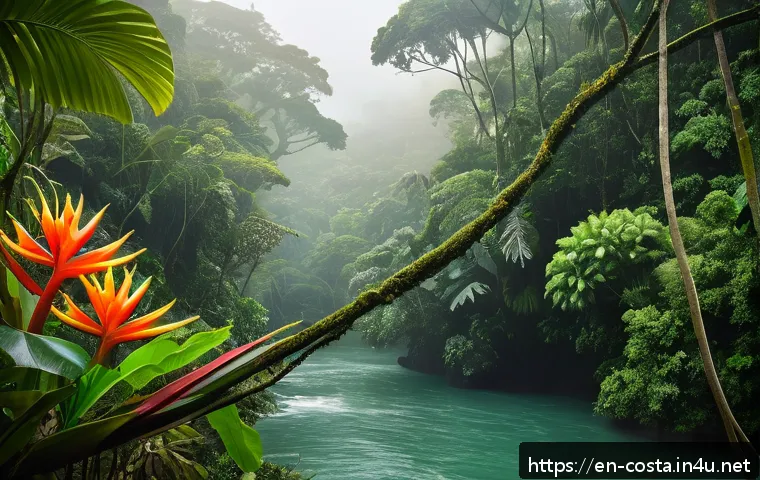
Costa Rica’s Caribbean coast is a lush, tropical rainforest paradise, where humidity brings out the vibrant colors of exotic plants and animals. It’s a hotspot for biodiversity, especially known for its Afro-Caribbean culture blending with nature.
On the other hand, the Pacific coast features dry tropical forests and mangroves, offering a different but equally captivating variety of wildlife. I was amazed at how each coast’s ecosystem shapes the kind of adventures you can have—from spotting howler monkeys and sloths in the Caribbean to witnessing humpback whales migrating off the Pacific shores.
Marine Life and Snorkeling Spots
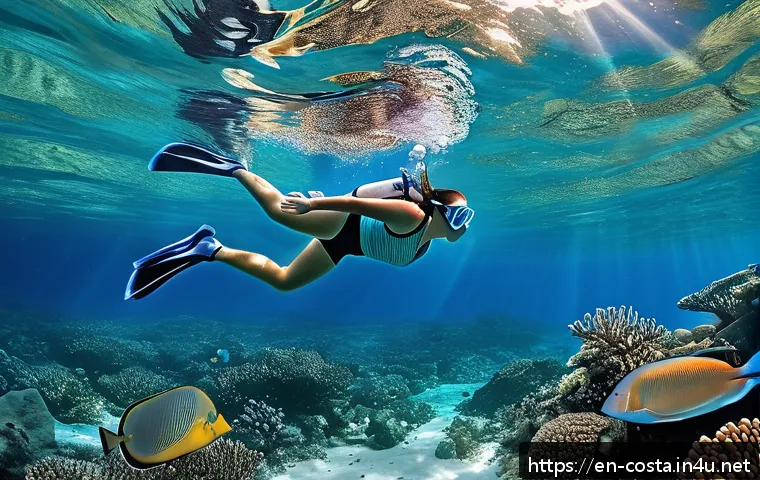
Snorkeling in the Caribbean Sea near Cahuita National Park was an eye-opener; the coral reefs there teem with colorful fish, sea turtles, and even rays gliding gracefully.
Meanwhile, the Pacific side’s Marino Ballena National Park offers incredible whale watching opportunities, especially during the migration seasons. The water tends to be rougher on the Pacific side, which sometimes limits snorkeling but enhances surfing experiences.
Personally, I found the Caribbean’s calmer waters perfect for leisurely underwater exploration.
Wildlife Viewing Tips
If you want to catch a glimpse of the elusive jaguar or the vibrant scarlet macaw, the Caribbean side’s Tortuguero National Park is your best bet. Early morning boat tours there are unforgettable.
Conversely, the Pacific coast’s Corcovado National Park provides intense jungle treks where you can see tapirs and giant anteaters. My advice? Pack binoculars and prepare for early starts regardless of the coast, because wildlife is most active at dawn and dusk.
Beach Atmosphere and Vibes
Laid-Back Caribbean Charm
The Caribbean coast exudes a relaxed, reggae-infused atmosphere that feels like a permanent vacation. Towns like Puerto Viejo are famous for their chilled-out beach bars, vibrant street art, and a mix of Afro-Caribbean cuisine that tantalized my taste buds.
The beaches here have a softer, darker sand and are fringed by palm trees swaying in gentle trade winds. It’s an ideal spot for travelers who want to unwind, meet friendly locals, and enjoy a slower pace of life.
Pacific Coast’s Energetic Pulse
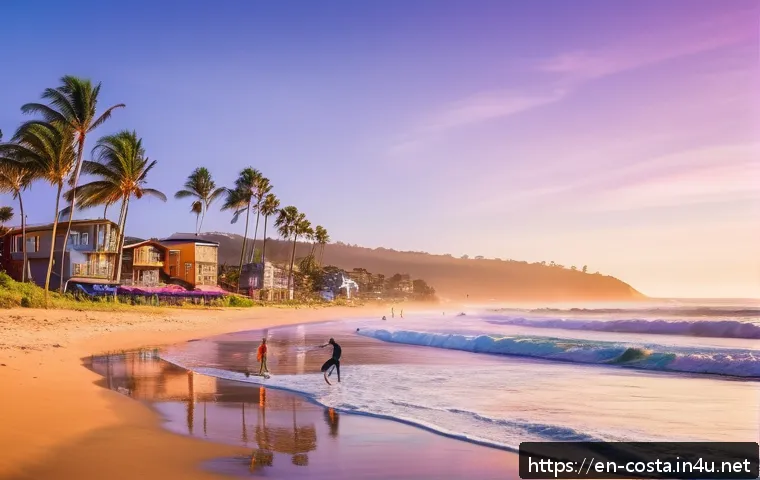
In contrast, the Pacific beaches buzz with energy. Places like Tamarindo and Jaco combine great surf breaks with a lively nightlife scene, trendy restaurants, and boutique shopping.
I noticed the sand is often lighter and the waves much bigger, attracting surfers from around the world. If you’re someone who thrives on vibrant social scenes mixed with adventure sports, the Pacific side will likely steal your heart.
Family-Friendly vs. Adventure-Focused
For families or those seeking tranquility, the Caribbean coast’s calm beaches and nature reserves provide a safe and soothing environment. Meanwhile, the Pacific coast caters more to thrill-seekers, offering zip-lining, ATV tours, and surfing lessons.
From my experience, the Pacific side can feel more touristy but offers a wider variety of activities, while the Caribbean coast holds a more authentic and untouched charm.
Climate and Seasonal Considerations
Rainfall Patterns and Best Times to Visit
Costa Rica’s rainy season varies between coasts. The Caribbean coast experiences rainfall throughout much of the year but often in short, heavy bursts, leaving plenty of sunshine afterward.
The Pacific side has a distinct wet season from May to November, with longer stretches of rain and fewer tourists. When I traveled in July, the Caribbean coast remained surprisingly sunny while the Pacific side saw more frequent showers, affecting outdoor plans.
Temperature and Humidity Differences
The Caribbean coast generally feels warmer and more humid due to its dense rainforest environment. This can be a plus if you love tropical warmth but might feel sticky if you’re not used to it.
The Pacific coast’s dry season offers more comfortable, breezy conditions, making it easier to explore without overheating. Personally, I appreciated bringing lightweight, breathable clothes regardless of the coast, but a light rain jacket was essential on both sides.
Planning Around Local Festivals
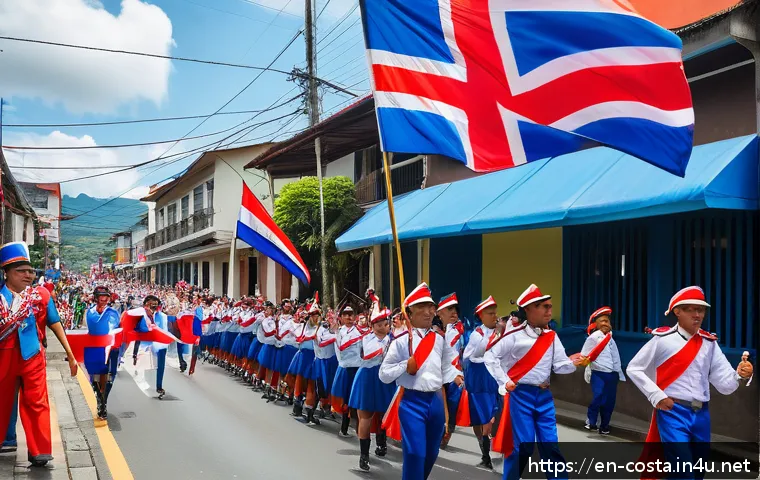
Timing your visit with local events adds a rich cultural layer to your trip. The Caribbean side celebrates the colorful Limón Carnival every October, filled with music, dance, and parades that I found incredibly immersive.
The Pacific coast hosts surfing competitions and the Fiesta de los Diablitos, a traditional indigenous festival, which offers a fascinating glimpse into Costa Rican heritage.
Aligning your travel dates with these festivities can turn a simple beach trip into a memorable cultural adventure.
Accessibility and Accommodation Choices
Getting There and Around
Reaching the Caribbean coast usually involves a scenic but longer drive or a domestic flight to Limon, which can feel adventurous but sometimes challenging due to road conditions.
The Pacific coast is more accessible, with major airports in Liberia and San José providing numerous flight options. Renting a car on the Pacific side felt straightforward and allowed me to explore multiple beaches easily, while the Caribbean’s more remote vibe meant relying on local buses or guided tours.
Range of Lodging Options
On the Caribbean coast, you’ll find charming eco-lodges, beachfront cabinas, and small boutique hotels that emphasize sustainability and local culture.
I stayed in a family-run guesthouse that offered homemade coconut bread and personal stories about the area, which made my stay unforgettable. The Pacific coast caters to a broader audience with luxury resorts, hostels, and everything in between, often with resort-style amenities and pools.
This variety makes it easier to tailor your accommodation to your budget and preferences.
Balancing Comfort and Authenticity
If you crave a more authentic, laid-back experience, the Caribbean’s simpler accommodations are perfect. However, for those who prioritize comfort and modern conveniences, the Pacific coast’s upscale options may be more appealing.
I found mixing stays between the two coasts gave me the best of both worlds—immersive local experiences on the Caribbean and relaxing luxury on the Pacific.
Cultural Experiences and Local Cuisine
Caribbean’s Afro-Caribbean Influence
The Caribbean coast’s culture is vibrant and distinct, heavily influenced by Afro-Caribbean heritage. This shows in the music, food, and festivals. Sampling dishes like rice and beans cooked in coconut milk, freshly caught seafood, and plantain-based snacks was a highlight of my trip.
The laid-back locals greeted me with warm smiles and stories about their traditions, which added a deep layer of connection to my visit.
Pacific Coast’s Melting Pot
The Pacific region is a cultural crossroads with influences from indigenous groups, Spanish settlers, and international expats. This fusion is reflected in its culinary scene, from traditional casado plates to international gourmet restaurants.
I enjoyed evenings tasting fresh ceviche by the beach and chatting with chefs who proudly blend local ingredients with global techniques. This dynamic cultural mix gives the Pacific coast a cosmopolitan feel without losing its roots.
Art, Music, and Nightlife
On the Caribbean side, reggae and calypso rhythms fill the air, and small towns often host live music nights that are intimate and authentic. The Pacific coast offers a wider nightlife spectrum, from beach clubs with DJs to cultural dance performances.
I found both sides equally enriching but in very different ways—one more soulful and community-driven, the other more energetic and diverse.
Adventure Activities and Outdoor Pursuits
Water Sports and Surfing
The Pacific coast is renowned for its world-class surf spots like Playa Hermosa and Santa Teresa. I took surfing lessons here and was impressed by the variety of waves suitable for beginners to pros.
The Caribbean beaches, while calmer, are perfect for paddleboarding, kayaking, and snorkeling. For those looking to mix relaxation with water-based thrills, the Caribbean’s gentler waters are a great choice.
Jungle Treks and Zip-Lining
Both coasts offer incredible jungle adventures, but the experience varies. The dense rainforests of the Caribbean side feel like stepping into a nature documentary, with guided tours through wildlife-rich trails.
The Pacific side’s dry forests provide unique landscapes perfect for zip-lining and canopy tours. Personally, I loved the adrenaline rush of zip-lining on the Pacific side but found the Caribbean hikes more immersive for birdwatching and nature photography.
Horseback Riding and ATV Tours
Exploring the coastline on horseback is a magical experience available on both sides, but the terrain differs greatly. Caribbean trails wind through jungle and coastal mangroves, while Pacific routes often traverse beaches and hills with stunning ocean views.
ATV tours are more common on the Pacific coast, offering a fun way to explore rugged landscapes quickly. I recommend trying both to get a full sense of Costa Rica’s diverse terrain.
Summary of Key Differences
| Aspect | Caribbean Coast | Pacific Coast |
|---|---|---|
| Landscape | Lush rainforests, calm beaches, coral reefs | Dry forests, rugged beaches, surf breaks |
| Wildlife | Sloths, howler monkeys, sea turtles | Humpback whales, tapirs, diverse bird species |
| Climate | Warm, humid, frequent short rains | Drier, distinct wet/dry seasons |
| Atmosphere | Laid-back, reggae vibes, authentic culture | Energetic, surf-centric, cosmopolitan |
| Accessibility | More remote, limited transport options | Better infrastructure, multiple airports |
| Activities | Snorkeling, wildlife tours, cultural festivals | Surfing, zip-lining, nightlife, adventure sports |
| Accommodation | Eco-lodges, small guesthouses | Luxury resorts, hostels, boutique hotels |
In Conclusion
Exploring Costa Rica’s Caribbean and Pacific coasts reveals two distinct worlds, each with its own unique charm and natural beauty. Whether you seek tranquil beaches and rich biodiversity or vibrant social scenes and thrilling adventures, both coasts offer unforgettable experiences. My journey showed me that balancing time between these regions provides the perfect blend of culture, wildlife, and relaxation. Ultimately, your ideal trip depends on what kind of vibe and activities you crave.
Helpful Information to Know
1. The Caribbean coast is ideal for those who love lush rainforests, calm seas, and authentic cultural experiences infused with Afro-Caribbean heritage.
2. The Pacific coast caters more to adventure seekers, with world-class surfing, zip-lining, and a bustling nightlife scene.
3. Travel during the dry season on the Pacific side for the best weather, but the Caribbean’s shorter rain bursts mean it’s a good year-round option.
4. Accommodation ranges widely, so plan based on whether you want eco-lodges with local charm or luxurious resorts with modern amenities.
5. Don’t miss local festivals—they add unforgettable cultural depth and are worth timing your visit around.
Key Takeaways
Choosing between Costa Rica’s coasts depends on your priorities: the Caribbean side offers a laid-back, nature-rich escape with fewer tourists and a strong cultural vibe, while the Pacific side provides easier access, more infrastructure, and a playground for thrill-seekers. Both coasts require some planning around weather and transportation, but each rewards visitors with unique landscapes, wildlife, and activities. Packing for varying climates and preparing for early wildlife excursions will enhance your experience no matter which coast you explore.
Frequently Asked Questions (FAQ) 📖
Q: Which coast in Costa Rica is better for surfing, the Caribbean or the Pacific?
A: If you’re chasing world-class surfing waves, the Pacific coast is your go-to spot. Beaches like Tamarindo, Santa Teresa, and Jaco are renowned for consistent swell and a vibrant surf culture.
The Caribbean side has some surf breaks too, like Puerto Viejo, but they tend to be less crowded and more suitable for intermediate surfers. From my experience, the Pacific offers a wider variety of surf spots catering to all skill levels, making it a surfer’s paradise.
Q: What kind of wildlife can I expect to see on each coast?
A: Both coasts are teeming with incredible wildlife, but they differ quite a bit. On the Caribbean side, you’ll often spot colorful birds like toucans and scarlet macaws, and the lush rainforests are alive with monkeys and sloths.
The Pacific coast, especially around Manuel Antonio and the Osa Peninsula, is famous for diverse marine life, including dolphins, whales, and sea turtles.
Having visited both, I found the Pacific coast offers a bit more variety in wildlife experiences, especially for marine adventures.
Q: Which coast offers a better cultural experience and local vibe?
A: The Caribbean coast delivers a unique cultural flavor influenced by Afro-Caribbean heritage, with lively music, flavorful cuisine, and friendly, laid-back communities.
Towns like Puerto Viejo have a vibrant, eclectic vibe that feels very authentic. Meanwhile, the Pacific coast blends traditional Costa Rican culture with a bustling tourist scene, featuring lively markets, festivals, and a mix of travelers from around the world.
Personally, if you want to immerse yourself in a truly distinct and relaxed cultural setting, the Caribbean side is a gem you shouldn’t miss.