As autumn approaches, Costa Rica bursts into vibrant celebrations marking its Independence Day, a tradition rich with history and heartfelt patriotism.

This year, with communities gathering once again after recent global challenges, the festive spirit feels more alive and meaningful than ever. From colorful parades to lively music and traditional dances, the day offers a unique glimpse into Costa Rican culture and pride.
Whether you’re planning a visit or simply curious about global festivities, diving into these joyful customs reveals the warmth and unity that define this Central American gem.
Join me as we explore the captivating traditions that make Costa Rica’s Independence Day truly unforgettable.
Vibrant Parades Lighting Up the Streets
Community Marches and School Bands
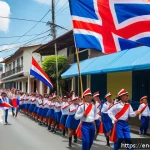
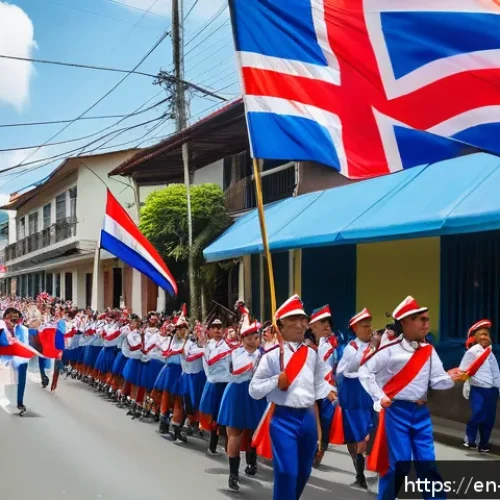
The heart of Costa Rica’s Independence Day celebrations lies in the lively parades that snake through towns and cities. Local schools take center stage, with students proudly marching in perfectly coordinated lines, often dressed in traditional costumes or uniforms emblazoned with the national colors of blue, white, and red.
The accompanying school bands fill the air with patriotic tunes, blending brass, percussion, and woodwind instruments in a way that instantly lifts your spirits.
Having witnessed these parades firsthand, the sense of pride and excitement is palpable—not just among participants, but also in the cheering crowds lining the streets.
It’s a communal celebration where everyone, young and old, feels connected to the country’s history and values.
Colorful Floats and Creative Displays
Beyond the marching bands, the parades showcase an array of floats that are bursting with creativity and symbolism. Many depict scenes from Costa Rica’s rich heritage, including indigenous culture, agriculture, and iconic wildlife like toucans and sloths.
Each float tells a story, often crafted by local artisans and students who put countless hours into their designs. The vibrant colors and imaginative themes make the parades a visual feast, captivating both locals and visitors alike.
The floats not only entertain but also educate, reminding everyone of the nation’s diverse roots and natural beauty.
Nighttime Torch Processions
As daylight fades, the celebrations shift to a more solemn but equally moving tradition—the torch procession. Carrying flickering torches, thousands gather to commemorate the historical journey of the independence flame, which symbolizes freedom and unity.
The procession traces a path through the streets, often culminating in a central plaza where speeches, anthems, and fireworks bring the event to a crescendo.
Experiencing the torchlight flickering against the night sky, surrounded by the warm hum of shared patriotism, is truly unforgettable. It’s a moment that connects the past struggles to the present-day hope and determination of Costa Ricans.
Traditional Music and Dance that Stir the Soul
Folkloric Dance Performances
No Independence Day celebration in Costa Rica would be complete without the captivating rhythms of folkloric dances. Groups perform traditional pieces like the Punto Guanacasteco, characterized by lively footwork, flowing skirts, and intricate hand movements.
These dances are often performed in colorful, hand-stitched costumes that reflect the country’s diverse regions. Watching these performances, you can feel the deep cultural roots and the joy of storytelling through movement.
I’ve always found the energy contagious—once the music starts, it’s hard not to tap your feet or even join in.
Live Music and Local Bands
Street corners, plazas, and parks become stages for live bands playing everything from marimba tunes to contemporary interpretations of folk music. The marimba, a wooden percussion instrument, is especially prominent and creates a warm, melodic backdrop that resonates with the celebratory mood.
Local musicians often invite audience participation, encouraging singing and dancing, which adds to the festive atmosphere. This blend of old and new sounds reflects Costa Rica’s evolving identity while honoring its roots.
Singing the National Anthem and Patriotic Songs
Music also plays a solemn role during Independence Day, especially when crowds gather to sing the national anthem together. The collective voices create a powerful sense of unity and national pride.
Alongside the anthem, other patriotic songs are performed, often by school choirs or community groups. These moments, filled with emotion and reverence, highlight the deep love Costa Ricans have for their country and their history.
Gastronomic Delights that Bring People Together
Traditional Foods and Street Snacks
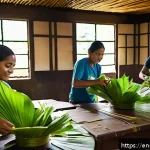
Food is a cornerstone of the Independence Day experience, with street vendors and local markets offering an array of traditional Costa Rican dishes. Favorites include gallo pinto, a flavorful mix of rice and beans often served with eggs and plantains, and tamales wrapped in banana leaves, bursting with savory fillings.
Street snacks like empanadas and churros are popular too, providing quick bites for parade watchers and festival-goers. Sampling these dishes not only satisfies hunger but also offers a taste of Costa Rica’s culinary heritage.
Family-Style Meals and Community Feasts
Many families and neighborhoods come together to share meals, creating a warm, communal environment. These gatherings often take place outdoors, with tables laden with homemade specialties and plenty of laughter and conversation.
The food becomes a way to bond across generations, passing down recipes and stories that reinforce cultural identity. From my own experiences attending such feasts, the genuine hospitality and the joyous atmosphere make these meals a highlight of the celebrations.
Local Drinks and Festive Treats
Refreshing beverages like fresco de tamarindo (tamarind juice) and natural fruit smoothies are widely enjoyed, offering a cool contrast to the tropical warmth.
Traditional sweets such as tres leches cake and arroz con leche (rice pudding) are also common, adding a sweet finish to the festive menu. These treats often come with a nostalgic feel, reminding many locals of childhood celebrations and family traditions.
Community Involvement and Educational Activities
School Projects and Cultural Workshops
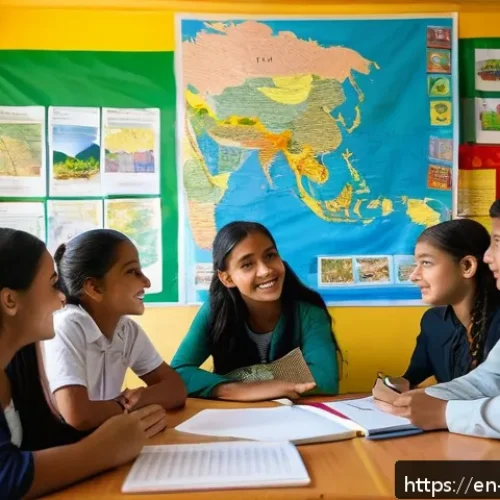
Schools play a vital role in preserving and promoting Independence Day traditions through educational projects. Students participate in essay contests, art exhibitions, and history presentations that deepen their understanding of Costa Rica’s path to freedom.
Cultural workshops often teach traditional crafts, music, and dance, ensuring that younger generations carry these practices forward. I’ve seen firsthand how these activities inspire pride and curiosity among children, making history feel alive and relevant.
Public Speeches and Historical Reenactments
Local leaders and historians frequently give speeches that highlight the significance of the day and reflect on the country’s values. These talks are sometimes accompanied by historical reenactments, where actors dress as key figures from the independence movement, bringing stories to life in an engaging and memorable way.
Such events foster a sense of respect and gratitude for the sacrifices made by ancestors, connecting past and present in a meaningful way.
Volunteer Efforts and Civic Engagement
Many communities organize volunteer activities around Independence Day, such as neighborhood clean-ups, charity drives, and cultural preservation projects.

These efforts reinforce the spirit of unity and shared responsibility that the holiday embodies. Participating in or observing these acts of service adds depth to the celebrations, showing that patriotism in Costa Rica extends beyond festivities to everyday life.
Fireworks and Evening Festivities
Firework Displays Lighting the Night Sky
As the day winds down, spectacular fireworks shows take over the night skies across the country. These displays range from small local bursts to large, professionally choreographed presentations in major cities.
The bursts of color and light bring a sense of magic and closure to the day’s events. Watching the fireworks with friends and family, I’ve often felt a rush of collective joy and awe, a perfect way to end such a meaningful celebration.
Late-Night Dancing and Social Gatherings
Many towns host dance parties and social events that last well into the night. These gatherings mix traditional and modern music, attracting a diverse crowd eager to keep the festive spirit alive.
The atmosphere is relaxed and joyful, with people of all ages mingling and celebrating together. From my experience, these late-night festivities are where the community truly shines—sharing laughter, stories, and the simple pleasure of togetherness.
Street Markets and Artisan Fairs
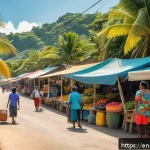
Alongside the music and dancing, street markets come alive with vendors selling handmade crafts, souvenirs, and local delicacies. These fairs offer a fantastic opportunity to support local artisans and pick up unique mementos.
The lively chatter, colorful stalls, and enticing aromas create a vibrant backdrop that perfectly complements the day’s celebrations.
Key Highlights of Costa Rica’s Independence Day Traditions
| Aspect | Description | Why It Matters |
|---|---|---|
| Parades | Marching bands, colorful floats, and torchlight processions | Showcases national pride and community spirit |
| Music & Dance | Folkloric performances, live bands, and patriotic songs | Preserves cultural heritage and unites people emotionally |
| Food & Drinks | Traditional dishes, family feasts, and local treats | Strengthens bonds and shares cultural flavors |
| Educational Activities | School projects, speeches, and reenactments | Promotes historical awareness and civic pride |
| Evening Festivities | Fireworks, dancing, and artisan fairs | Creates lasting memories and supports local economy |
The Symbolic Colors and Decorations Everywhere
National Colors in Every Corner
Blue, white, and red dominate the visual landscape during Independence Day, adorning buildings, streets, and clothing. These colors represent the ideals of freedom, peace, and the blood shed for independence.
It’s inspiring to see entire communities embrace this palette so enthusiastically, transforming everyday spaces into vibrant tributes. Walking through these decorated areas, I’ve noticed how even the smallest details—like ribbons tied to trees or painted windows—contribute to a shared sense of identity and celebration.
Flag Raising Ceremonies and Public Displays
Flag raising ceremonies are solemn moments that often mark the start or conclusion of official events. These ceremonies are performed with great respect, accompanied by the national anthem and sometimes a moment of silence.
Public spaces often feature giant flags and banners, serving as constant reminders of the day’s significance. Participating in or witnessing these ceremonies fosters a deep appreciation for the nation’s journey and values.
Handmade Decorations and Community Art
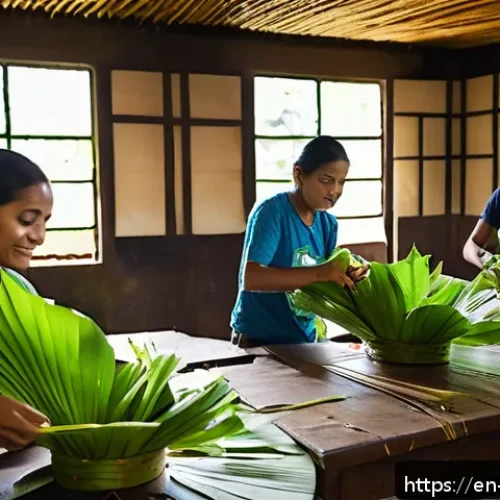
Many towns encourage locals to create handmade decorations, ranging from paper crafts to elaborate murals. These artistic expressions reflect local pride and creativity, adding a personal touch to the celebrations.
I’ve always admired how these community-driven projects bring people together, sparking collaboration and a shared sense of accomplishment.
How Visitors Can Experience the Festivities Authentically
Joining Local Events and Parades
For travelers, the best way to immerse themselves is by joining local events, whether as spectators or participants. Many towns welcome visitors warmly, and joining a parade or dance workshop can be an unforgettable experience.
From what I’ve seen, locals appreciate genuine interest and often go out of their way to share stories and traditions, making the celebration more meaningful.
Tasting Traditional Foods at Markets
Exploring street markets and food stalls offers a delicious window into Costa Rican culture. Sampling traditional dishes while chatting with vendors adds an authentic layer to the visit.
I recall one market where the vendor explained the history behind each dish, turning a simple snack into a cultural lesson.
Respecting Customs and Local Etiquette
Understanding and respecting local customs is key to a positive experience. For instance, it’s customary to stand during the national anthem and to dress modestly for formal ceremonies.
Observing these norms shows respect and fosters goodwill. From personal experience, this attentiveness leads to more meaningful interactions and a deeper appreciation of the celebration’s significance.
In Conclusion
Costa Rica’s Independence Day is a vibrant celebration filled with rich traditions, heartfelt community involvement, and joyous festivities. From lively parades to soulful music and delicious food, every element reflects the nation’s deep pride and cultural heritage. Experiencing these moments offers a genuine glimpse into Costa Rican spirit and unity. Whether you’re a local or a visitor, the celebrations leave lasting memories that resonate long after the day ends.
Helpful Information to Know
1. Participating in local parades and events is the best way to fully experience the authentic spirit of the holiday.
2. Sampling traditional foods at street markets offers both delicious flavors and cultural insight.
3. Respecting customs, such as standing during the national anthem and dressing modestly at formal events, is important.
4. Many community activities like workshops and reenactments provide educational opportunities for visitors and locals alike.
5. Evening festivities, including fireworks and artisan fairs, create a lively atmosphere that supports local culture and economy.
Key Takeaways
The celebration of Costa Rica’s Independence Day is a meaningful blend of history, culture, and community spirit. Parades and traditional music foster national pride, while food and family gatherings strengthen social bonds. Educational programs keep the legacy alive for future generations, and evening events bring the festivities to a joyful close. Embracing these traditions with respect and enthusiasm ensures a rich and memorable experience for everyone involved.
Frequently Asked Questions (FAQ) 📖
Q: What are the main activities during Costa Rica’s Independence Day celebrations?
A: Costa Rica’s Independence Day is marked by a vibrant mix of parades featuring colorful costumes, traditional folk dances, and lively music performances.
Communities come together to celebrate with schoolchildren often participating in torch processions, symbolizing the country’s freedom. You’ll also find cultural exhibitions, local food stalls, and speeches that highlight Costa Rica’s history and patriotism.
Experiencing these activities firsthand gives a genuine feel of the national pride and unity that make this day so special.
Q: When is Costa Rica’s Independence Day celebrated, and why is it significant?
A: Costa Rica celebrates its Independence Day on September 15th every year. This date commemorates the country’s independence from Spanish rule in 1821, alongside several other Central American nations.
The significance goes beyond just a historical milestone; it’s a day filled with heartfelt patriotism where Costa Ricans reflect on their national identity, values, and the peaceful democracy they’ve nurtured over the years.
After the global challenges recently faced, the celebrations feel even more meaningful as a symbol of resilience and hope.
Q: Is it a good time for tourists to visit Costa Rica during Independence Day?
A: Absolutely! Visiting Costa Rica during Independence Day offers a unique cultural experience you won’t find at any other time. The festive atmosphere brings out the warmth and friendliness of locals, and the colorful parades and traditional events provide authentic insights into Costa Rican heritage.
However, it’s wise to plan ahead since popular areas can get crowded, and accommodations may fill up quickly. Personally, I found that joining local festivities gave me a deeper appreciation for the country’s spirit and made my trip unforgettable.