Unlocking Costa Rica’s Education System: A Complete Guide for International Students Considering Study Abroad

webmaster

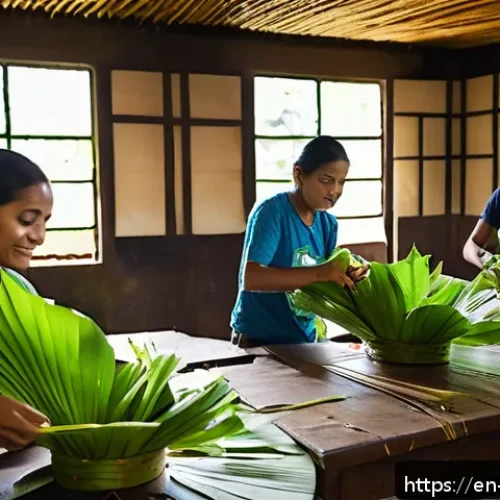
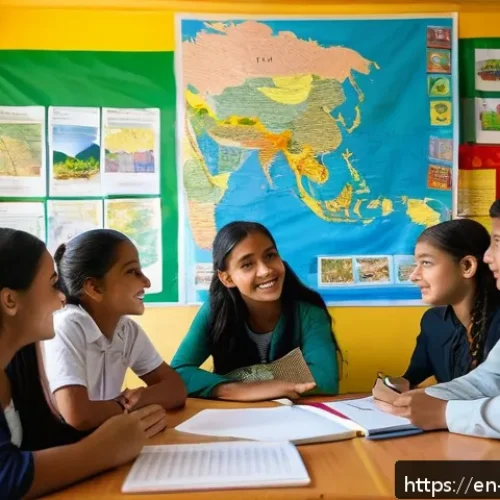
코스타리카 유학과 교육 제도 - A vibrant bilingual classroom scene in Costa Rica showing diverse international students and local c...

As global education trends continue to evolve, Costa Rica is emerging as an attractive destination for international students seeking a unique study abroad experience.

코스타리카 유학과 교육 제도 관련 이미지 1

With its commitment to quality education and vibrant cultural atmosphere, the country offers more than just academic growth—it promises personal transformation.

Whether you’re curious about its renowned bilingual programs or the increasing opportunities in sustainable development fields, understanding Costa Rica’s education system can open doors to exciting possibilities.

In this guide, we’ll explore key insights and practical tips to help you navigate your journey with confidence and clarity. If you’re considering studying abroad, Costa Rica might just be the perfect place to start your adventure.

Immersive Language Learning Environments

Experiencing Bilingual Education Firsthand

Many international students find Costa Rica’s bilingual education programs to be a game-changer. Unlike traditional language classes, these programs immerse learners in both English and Spanish through daily interactions, academic coursework, and cultural activities.

From my own experience, the blend of classroom learning and real-world practice accelerated my language skills far beyond what I expected. It’s not just about memorizing vocabulary; it’s about living the language in a way that feels natural and engaging.

Schools often organize group projects, cultural festivals, and community service events, all conducted bilingually, which deepens understanding and builds confidence.

The Role of Local Culture in Language Acquisition

Language isn’t learned in a vacuum, and Costa Rica’s rich culture plays a vital role in this process. From traditional music and dance to local cuisine and everyday social customs, students are constantly exposed to authentic contexts where language comes alive.

I noticed that attending local markets or participating in neighborhood celebrations provided unexpected but invaluable lessons in slang, idiomatic expressions, and social nuances.

This kind of cultural immersion helps bridge the gap between textbook knowledge and practical communication, making the learning experience more meaningful and memorable.

Support Systems for Language Learners

Adjusting to a new language can be daunting, but Costa Rican institutions typically offer robust support to ease this transition. Language tutors, conversation clubs, and peer mentoring programs are common features designed to help students practice without fear of judgment.

I recall joining a weekly language exchange group where native Spanish speakers and English learners met to chat casually—this informal setting was where I truly gained fluency and made friends.

These support networks foster a welcoming atmosphere, encouraging persistence and reducing the isolation that can come with language barriers.

Advertisement

Innovative Approaches to Sustainability Education

Integrating Environmental Awareness into Curricula

Costa Rica’s global reputation for environmental stewardship is reflected deeply in its educational programs. Schools and universities incorporate sustainability principles across various subjects, from science and engineering to social studies and economics.

What stood out to me was how theoretical lessons were paired with hands-on projects, such as reforestation efforts, water conservation initiatives, and renewable energy workshops.

This practical approach not only reinforces concepts but also instills a sense of responsibility and empowerment among students to become active participants in environmental protection.

Opportunities in Green Technology and Research

For students interested in sustainable development careers, Costa Rica offers exciting pathways through cutting-edge research centers and green tech startups.

During my time there, I had the chance to visit several innovation hubs focusing on solar energy, sustainable agriculture, and eco-tourism. These experiences provided insight into how education and industry collaborate to address real-world challenges.

Internships and cooperative education programs frequently connect learners with professionals, offering valuable work experience and networking opportunities that can jumpstart a career in the sustainability sector.

Community Engagement and Service Learning

Sustainability education in Costa Rica often extends beyond the classroom, emphasizing community involvement and social impact. Many institutions encourage students to participate in service learning projects that support local conservation efforts, indigenous communities, or urban sustainability campaigns.

From organizing beach cleanups to conducting environmental impact assessments, these activities foster a holistic understanding of sustainability’s social dimensions.

I found that working alongside locals provided a powerful perspective on the interconnectedness of environment, culture, and economy, deepening my commitment to sustainable practices.

Advertisement

Academic Structure and Quality Assurance

Understanding the Education System Framework

Costa Rica’s education system is organized into clearly defined levels, starting from preschool to higher education, each regulated to maintain high standards.

Universities and technical institutes must adhere to national accreditation processes that ensure curriculum relevance, faculty qualifications, and resource availability.

From personal observation, this structure creates a stable and transparent academic environment where students can pursue diverse fields with confidence.

The balance between theory and practical application is emphasized, which prepares graduates to meet both local and international job market demands.

Recognizing Accredited Institutions and Programs

Choosing the right school is crucial, and Costa Rica provides accessible information on accredited institutions recognized by the Ministry of Public Education and the National Accreditation System.

I recommend prospective students verify accreditations before enrollment to guarantee their degrees will be respected globally. Many universities also have partnerships with foreign institutions, facilitating credit transfers and joint degrees, which can enhance a student’s global mobility and academic portfolio.

This network of recognized programs adds an extra layer of trust and quality assurance.

Student Evaluation and Progress Tracking

Evaluation methods in Costa Rica combine continuous assessment and final examinations, aiming to measure both knowledge retention and critical thinking.

During my studies, I appreciated the emphasis on projects, presentations, and collaborative assignments, which encouraged active participation rather than rote memorization.

Faculty members are generally approachable and invested in student success, providing constructive feedback and academic advising. This balanced evaluation system supports steady progress and helps students identify areas for improvement early on.

Advertisement

Living and Thriving as a Student in Costa Rica

Balancing Study and Leisure in a Vibrant Environment

Costa Rica’s “pura vida” lifestyle offers an appealing blend of academic focus and relaxed living. From my perspective, this balance is key to avoiding burnout and enjoying the overall study abroad experience.

The country’s natural beauty—lush rainforests, stunning beaches, and active volcanoes—provides countless opportunities for weekend adventures and stress relief.

Many students join clubs or sports teams, which not only promote physical health but also facilitate social connections and cultural integration.

Affordable Housing and Daily Expenses

코스타리카 유학과 교육 제도 관련 이미지 2

Cost of living is a major consideration for international students, and Costa Rica offers relatively affordable options compared to many Western countries.

Dormitories and shared apartments near campuses provide budget-friendly housing, while local markets and eateries serve fresh, inexpensive meals. I found that cooking at home using local ingredients was both economical and enjoyable, giving me a deeper appreciation for Costa Rican cuisine.

Public transportation is accessible and cheap, making it easy to explore urban and rural areas without breaking the bank.

Safety and Health Services for Students

Feeling safe and healthy is fundamental for academic success abroad. Costa Rica is generally regarded as one of the safest countries in Central America, with low violent crime rates and a welcoming atmosphere.

Universities often have dedicated health centers and counseling services tailored to international students. I utilized campus health resources for routine check-ups and mental health support, which helped me maintain well-being throughout my studies.

The country’s strong public healthcare system also offers accessible medical care if needed.

Advertisement

Career Pathways and Networking Prospects

Leveraging Internships and Practical Training

Gaining relevant work experience is essential, and Costa Rican educational institutions actively promote internships and cooperative education placements.

These opportunities allow students to apply classroom knowledge in real-world contexts, build professional skills, and establish connections within industries such as tourism, agriculture, environmental science, and technology.

I secured an internship with a local NGO focused on sustainable development, which not only enriched my resume but also provided meaningful insights into community engagement and project management.

Building Professional Networks Locally and Internationally

Networking is often the key to unlocking career doors, and Costa Rica’s academic environment encourages forming lasting professional relationships. Conferences, seminars, and alumni events create spaces where students can meet industry leaders, researchers, and entrepreneurs.

I found that joining student associations and attending local business meetups expanded my network beyond the classroom. Moreover, many universities maintain international partnerships that facilitate global internships and job placements, broadening career prospects.

Entrepreneurial Opportunities and Support Systems

For those inclined toward entrepreneurship, Costa Rica offers a supportive ecosystem with incubators, accelerators, and funding programs aimed at startups.

The government and private sectors invest in innovation, especially in green technologies and social enterprises. During my time there, I connected with a startup incubator that provided mentorship and resources for developing sustainable business ideas.

This environment encourages creativity and risk-taking, empowering students to transform academic learning into impactful ventures.

Advertisement

Essential Practical Tips for Prospective Students

Preparing for Your Arrival and Cultural Adjustment

Arriving in a new country can be overwhelming, so thorough preparation makes a significant difference. I recommend learning some basic Spanish phrases before arrival and researching local customs to ease cultural adjustment.

Packing appropriate clothing for Costa Rica’s tropical climate and bringing necessary documents such as visas and health insurance papers are vital steps.

Once there, staying open-minded and proactive about making connections helps smooth the transition and enriches the overall experience.

Managing Finances and Scholarships

Budgeting effectively is crucial for a successful study abroad journey. Costa Rica has a variety of scholarship options for international students, including government-funded programs and university-specific awards.

Applying early and meeting eligibility criteria can open doors to financial support. I personally found that combining scholarships with part-time work on campus helped maintain financial stability while gaining valuable experience.

It’s also wise to familiarize yourself with banking options and currency exchange practices before departure.

Staying Connected and Informed

Maintaining communication with family and academic advisors is important for emotional support and academic guidance. Costa Rica’s reliable internet infrastructure allows easy access to online resources, virtual meetings, and social media.

Joining student forums and official university groups provides up-to-date information on events, deadlines, and opportunities. I found that staying informed and connected helped me navigate challenges promptly and made me feel part of a larger community despite being far from home.

Aspect Key Features Student Benefits
Bilingual Programs Immersive English-Spanish education, cultural integration, language support Accelerated language skills, cultural fluency, confidence in communication
Sustainability Education Hands-on projects, green tech research, community service Practical skills, career readiness, environmental awareness
Academic Quality Accredited institutions, balanced evaluation, international partnerships Global recognition, academic support, transferability
Student Life Affordable housing, vibrant culture, health services Comfortable living, social integration, well-being
Career Development Internships, networking events, entrepreneurial support Work experience, professional connections, innovation opportunities
Practical Preparation Language prep, financial planning, connectivity Smoother adjustment, financial stability, ongoing support
Advertisement

Conclusion

Studying in Costa Rica offers a unique blend of immersive language learning, sustainability education, and vibrant student life. From firsthand experiences to practical career opportunities, the country provides a supportive and enriching environment for international students. Embracing local culture and community engagement truly enhances both personal growth and academic success. Whether you seek language fluency or professional development, Costa Rica stands out as an inspiring destination.

Advertisement

Helpful Information to Know

1. Learn basic Spanish before arrival to ease cultural adjustment and daily communication.

2. Take advantage of scholarships and part-time work to manage finances effectively.

3. Engage actively in language exchange and cultural events to build confidence and fluency.

4. Explore sustainability projects and internships to gain practical experience and career insight.

5. Stay connected with university resources and student networks to access support and information.

Advertisement

Key Takeaways

Choosing Costa Rica for your studies means entering a well-structured academic system with accredited programs that balance theory and practice. The immersive bilingual environment accelerates language acquisition, while sustainability education fosters responsibility and innovation. Affordable living and comprehensive health services make student life comfortable and secure. Additionally, career pathways supported by internships and networking open doors to meaningful professional growth. Preparing ahead and embracing local culture will ensure a smooth and rewarding experience abroad.

Frequently Asked Questions (FAQ) 📖

Q: What makes Costa Rica an appealing destination for international students?

A: Costa Rica stands out because of its strong emphasis on bilingual education and its commitment to sustainability, which is reflected in many academic programs.
Beyond academics, the country’s rich biodiversity and welcoming culture provide an immersive experience that fosters personal growth. From my own conversations with students who studied there, many highlight how living in Costa Rica broadened their worldview and inspired them to think differently about global issues.

Q: Are there specific fields of study that Costa Rica is known for internationally?

A: Yes, Costa Rica has gained recognition for programs related to environmental science, sustainable development, and ecotourism. These fields align with the country’s global leadership in conservation and renewable energy.
If you’re passionate about making a positive environmental impact, studying in Costa Rica offers hands-on opportunities and access to cutting-edge research, which I’ve seen firsthand as a major draw for eco-conscious students.

Q: How accessible is the Costa Rican education system for non-Spanish speakers?

A: Many universities in Costa Rica offer bilingual or even English-taught programs, especially at the graduate level. While basic Spanish skills can enhance your daily life and cultural immersion, it’s definitely possible to succeed academically without being fluent in Spanish from the start.
Based on student testimonials, those who took the initiative to learn Spanish alongside their studies found the experience even more rewarding and enriching.

📚 References


➤ Link

– Google Search

➤ Link

– Bing Search

➤ Link

– Google Search

➤ Link

– Bing Search

➤ Link

– Google Search

➤ Link

– Bing Search

➤ Link

– Google Search

➤ Link

– Bing Search

➤ Link

– Google Search

➤ Link

– Bing Search

➤ Link

– Google Search

➤ Link

– Bing Search

➤ Link

– Google Search

➤ Link

– Bing Search
Advertisement