Discover Costa Rica’s most common local foods—from gallo pinto and casado to Caribbean rice and beans. Learn what each dish includes, where it fits your itinerary, and how to choose restaurants with confidence.
For a first taste of Costa Rican food, start with gallo pinto at breakfast and order a casado for a full local-style lunch. Choose chifrijo
when you want a casual snack to share, and look for Caribbean rice and beans on the Caribbean coast. A roadside soda can be an easy first stop for everyday dishes, while a restaurant, hotel dining room, food tour, or cooking class may better suit travelers who want more menu choice, assistance, or context.
There is no single “best” place to eat because portions, side dishes, service, and recipes vary. Asking a few simple questions before ordering helps you choose with more confidence.
Check payment options, prices, ingredients, and dietary suitability directly with the venue.
At a Glance
- Best first dishes: Try gallo pinto for breakfast, a casado for a complete meal, and chifrijo as a casual shared snack.
- Easy first restaurant choice: A roadside soda can be a practical place to look for everyday local-style meals.
- Plan by location: Caribbean areas may offer coconut-based rice and beans and more spiced preparations.
| Dining Option | Best For | Menu Variety | Language Support | Booking Considerations |
|---|---|---|---|---|
| Roadside soda | Everyday local-style meals and straightforward dishes | May be more focused | Varies by location and staff | Check hours, payment methods, and available dishes on arrival |
| City or tourist-focused restaurant | More comfort, a planned meal, or broader choice | May offer more options | Varies by restaurant | Confirm menu, service style, prices, and reservations if needed |
| Guided food tour or cooking class | Multiple tastings, local context, and help choosing dishes | Depends on the itinerary or class format | Check the provider’s stated language options | Review meeting point, transport, group size, and dietary request policy before booking |
The Best Costa Rican Foods to Try First
If you are planning only a few meals in Costa Rica, choose dishes that clearly show how rice, beans, proteins, and sides are used in everyday cooking. Gallo pinto, casado, and chifrijo are useful starting points because each fits a different meal occasion. Keep expectations flexible: recipes, seasoning, portions, and included sides can change from one kitchen to another.
Start with gallo pinto for breakfast
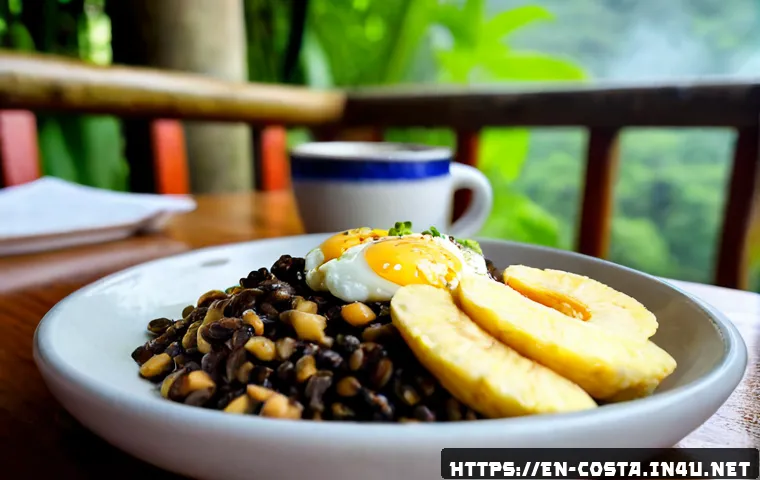
Gallo pinto is a staple dish made with rice and beans. It is commonly served at breakfast alongside eggs, plantains, cheese, or tortillas. This makes it a simple first order for travelers who want something familiar enough to understand but distinctly local in its main combination.
Before ordering, ask what comes with the plate. Eggs, cheese, tortillas, and plantains may be offered differently depending on the restaurant. If spice level matters to you, ask how the dish is prepared rather than assuming every version tastes the same.
Choose a casado for a complete local lunch
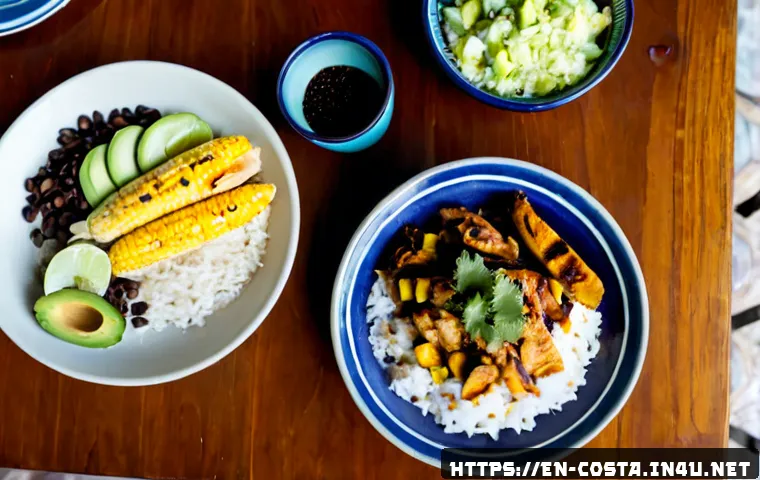
A casado is a traditional set meal that typically combines rice, beans, a protein, salad, plantains, and sometimes an additional side. It is a practical choice when you do not want to build a meal item by item. For many first-time visitors, it is also one of the clearest ways to see several common components served together.
The key choice is usually the protein and the included sides. Ask which protein options are available, whether the salad or extra side changes that day, and how large the portion is. A casado can look different at a roadside soda, a city restaurant, or a resort dining room, so compare what is included rather than judging the meal by its name alone.
Try chifrijo when you want a casual shared snack
Chifrijo commonly combines rice, beans, pork, pico de gallo, and tortilla chips. It suits a relaxed stop, a casual meal, or a shared order when everyone wants to taste something together. The mix of rice, beans, pork, and chips also makes it different from the more plate-based structure of a casado.
Because preparation can vary, confirm the pork component if you do not eat meat. Travelers with gluten sensitivity should also ask about the individual ingredients and preparation methods instead of relying on the dish name.
Local Dishes Compared by Meal, Flavor, and Value
The best choice depends less on finding one “authentic” order and more on matching the dish to your schedule, appetite, location, and dietary needs. A local name does not guarantee identical ingredients, quality, hygiene standards, or suitability for every traveler.
Quick comparison: gallo pinto, casado, olla de carne, chifrijo, and Caribbean rice and beans
| Dish | Typical Meal Fit | Main Components | What to Check |
|---|---|---|---|
| Gallo pinto | Breakfast | Rice and beans, often with eggs, plantains, cheese, or tortillas | Included breakfast sides and preparation style |
| Casado | Complete lunch or meal | Rice, beans, protein, salad, plantains, and sometimes another side | Protein choices, portion size, and included sides |
| Olla de carne | Hearty meal | Costa Rican-style beef and vegetable soup or stew | Beef content, vegetables, and serving size |
| Chifrijo | Casual snack or shared order | Rice, beans, pork, pico de gallo, and tortilla chips | Pork, toppings, and ingredient preparation |
| Caribbean rice and beans | Caribbean coast meal | Coconut-based rice and beans, often with spiced preparations | Recipe, spice level, and accompanying items |
What is usually included—and what may cost extra
A dish description gives you a starting point, not a complete guarantee. A breakfast plate with gallo pinto may come with eggs, plantains, cheese, or tortillas, while a casado may include a protein, salad, plantains, and an additional side. However, the exact combination is restaurant-specific.
Use direct questions before ordering: “What comes with this?” “Which side dishes are included?” and “Can I choose the protein?” This is especially useful when comparing a soda with a tourist-focused restaurant or accommodation dining. It keeps your decision based on the actual menu rather than assumptions about what a traditional plate must include.
Soda, city restaurant, or hotel dining: which offers the better fit?
A roadside soda may fit travelers who want a straightforward local-style meal and are comfortable confirming details at the counter or table. A city restaurant may be a better fit when you want a broader menu, a planned dinner, or more time to compare dishes. Hotel or resort dining can be convenient when you prefer to eat where you are staying, though the menu and service style may differ from a roadside soda.
There is no universal value winner. Portion size, included sides, convenience, and service style vary among these settings. Compare the current menu, ask about payment methods, and decide whether convenience or local-style simplicity matters more for that meal.
How to Order Local Food Without Common Travel Mistakes
Ordering confidently does not require knowing every dish in advance. It requires checking the few details that most often vary: protein, sides, spice, portion size, price, and payment method.
Ask about protein, sides, spice, and portion size before ordering
For a casado, ask which protein is available and what sides are included. For chifrijo, ask about the pork and toppings. For Caribbean dishes, ask about the spice level and preparation style. These questions are useful because regional recipes, family kitchens, and individual restaurants may prepare the same named dish differently.
If you prefer a lighter meal, do not assume that a shared snack or soup will be small. Ask how the item is served and whether it is intended for one person or for sharing.
Check payment methods and prices in Costa Rican colón
Costa Rica uses the Costa Rican colón. Many tourism-focused businesses may also accept U.S. dollars, but acceptance can vary. Check the displayed price, the currency used for payment, and whether your preferred payment method is accepted before you order.
Do not rely on an old travel post for exact menu prices, card acceptance, opening hours, or service charges. These details vary by restaurant and location, so the current menu or staff confirmation is the most useful source.
Avoid assuming every “traditional” menu is prepared the same way
“Traditional” can describe a dish category, but it does not standardize every ingredient, portion, or preparation method. One gallo pinto may come with eggs and tortillas; another may be presented differently. Caribbean rice and beans may also vary in coconut flavor and spice.
Choose restaurants based on the current menu, your comfort level, and clear answers to your questions. A familiar dish name is helpful, but it is not a substitute for checking ingredients or dietary suitability.
Food Choices for Different Costa Rica Itineraries
Your route shapes which food experiences are easiest to find and most useful to prioritize. Plan around meal timing and location rather than trying to order every dish at every stop.
Best options for a first-time visitor

For a simple first-day approach, order gallo pinto at breakfast and a casado for lunch or dinner. This gives you a clear introduction to rice-and-bean staples and a full set meal. Add chifrijo when you want a more casual order, especially if you are sharing with another traveler.
If you have limited time, a guided food tour can help you sample multiple items without independently choosing every restaurant. Review the tour’s listed stops and inclusions before booking, as the dishes and format can vary.
Caribbean coast flavors versus Central Valley comfort food
On the Caribbean coast, look for coconut-based rice and beans and spiced preparations associated with Caribbean Costa Rican cuisine. Elsewhere, gallo pinto, casado, olla de carne, and chifrijo provide useful reference points for familiar local-style choices.
This is not a strict divide. Individual restaurants may interpret dishes differently, and a regional label does not predict the exact flavor or ingredient list. Ask what makes the restaurant’s version distinctive if you are deciding between similar menu items.
Practical choices for vegetarians and travelers with dietary restrictions
Rice and beans appear in several Costa Rican dishes, but that does not automatically make an item vegetarian, vegan, gluten-sensitive, or safe for someone with a seafood allergy. A casado may include a protein by default, chifrijo commonly includes pork, and recipes may use ingredients not obvious from a short menu description.
Use a short ordering checklist:
- Ask whether the dish contains meat, pork, seafood, dairy, or eggs.
- Ask whether rice, beans, sauces, and side dishes are prepared with animal ingredients.
- For gluten sensitivity, ask about ingredients and preparation methods.
- For a seafood allergy, clearly ask about seafood ingredients and kitchen handling.
- Confirm whether the restaurant can accommodate your request before placing the order.
When a Food Tour or Cooking Class Adds More Value
Restaurant meals are enough for many itineraries, but a food tour or cooking class can make sense when your time is short or you want more explanation than a menu provides. The added value is usually context, convenience, and multiple tastings, not a guarantee that one experience represents every Costa Rican kitchen.
When guided tasting is useful for short stays
A guided food tour may be useful if you have only a brief stay and want help identifying dishes, choosing stops, or understanding the difference between a snack such as chifrijo and a complete meal such as casado. It can also reduce the time spent researching separate meal stops.
A cooking class may suit travelers who prefer hands-on learning and want to focus on how a dish is prepared. Check the stated class content first; not every class will cover gallo pinto, casado, Caribbean rice and beans, or the dish you had in mind.
What to compare before booking a culinary activity
Compare the activity format, number of tastings or dishes listed, meeting point, transport arrangement, language support, and dietary-request process. Also consider whether the experience overlaps with meals you already plan to eat at your hotel or nearby restaurants.
Accommodation dining may be the better choice when convenience is your priority. A guided activity may be a stronger fit when you want several tastings and local food context in one scheduled experience.
Questions to ask about group size, transport, and dietary requests
Before booking, ask whether the activity lists group size, whether transport is included or separate, and how dietary requests are handled. Ask whether seafood allergies, vegetarian preferences, vegan needs, or gluten sensitivity can be discussed in advance. Do not assume accommodations are available simply because an activity is described as a food tour or cooking class.
Choosing Your Best Costa Rican Food Experience
Use these checks just before deciding where to eat or what to book:
- Choose a soda if you want an everyday local-style meal and are happy to confirm details directly.
- Choose a restaurant if menu range, comfort, or a planned dinner matters most.
- Choose accommodation dining if staying nearby is more important than seeking a separate meal stop.
- Choose a guided food tour if you want multiple tastings and help understanding the dishes.
- Choose a cooking class if hands-on preparation is more appealing than restaurant-only meals.
- For any option, confirm ingredients, current prices, payment methods, and dietary handling before committing.
When comparing guided food tours, cooking classes, or hotel dining options, check the provider’s or venue’s page for the current menu, inclusions, meeting details, and dietary conditions.
In Closing
Costa Rican food is easiest to enjoy when you begin with a few clear dishes instead of trying to chase one perfect definition of authenticity. Gallo pinto, casado, chifrijo, olla de carne, and Caribbean rice and beans each fit different meals and travel moments. A roadside soda, city restaurant, hotel dining room, or guided culinary activity can all work well when matched to your schedule and preferences. Ask what is included, confirm dietary details, and let the current menu guide the final choice.
Useful Things to Know
1. Costa Rica uses the Costa Rican colón, although many tourism-focused businesses may also accept U.S. dollars.
2. Portions, included sides, and service style can differ between a roadside soda, city restaurant, and resort dining room.
3. Caribbean Costa Rican cuisine often features coconut-based rice and beans and spiced preparations.
4. A dish name alone does not confirm exact ingredients, spice level, or dietary suitability.
Important Notes
Menu prices, opening hours, card acceptance, service charges, ingredients, and dietary accommodations vary by restaurant and location. Recipes and spice levels may differ by region, family kitchen, and individual restaurant. A menu described as traditional or authentic does not guarantee food quality, hygiene standards, or suitability for every dietary need. Confirm the details that matter to you directly with the restaurant, hotel, food tour provider, or cooking class operator.
Frequently Asked Questions
Q1. What is the best Costa Rican dish for first-time visitors to try?
A1. Gallo pinto is an easy breakfast starting point, while a casado is a practical choice for a complete local-style meal. If you want a casual shared snack, try chifrijo. The best fit depends on whether you are eating breakfast, a full lunch, or a lighter social meal.
Q2. Are local sodas in Costa Rica usually cheaper than tourist restaurants?
A2. Prices vary by restaurant and location, so it is not safe to assume one type is always cheaper. Compare the current menu, portion size, included side dishes, payment options, and convenience before deciding which offers better value for your meal.
Q3. What Costa Rican foods are suitable for vegetarians or travelers with dietary restrictions?
A3. Rice and beans are common, but recipes and preparation methods vary. Ask whether dishes contain meat, pork, seafood, dairy, eggs, or other ingredients relevant to your needs. For gluten sensitivity or seafood allergies, confirm ingredients and kitchen handling directly with the restaurant or activity provider.