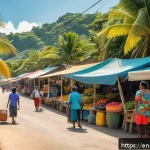
Costa Rica stands out as a global leader in environmental conservation, having embraced bold policies that protect its rich biodiversity and natural resources.
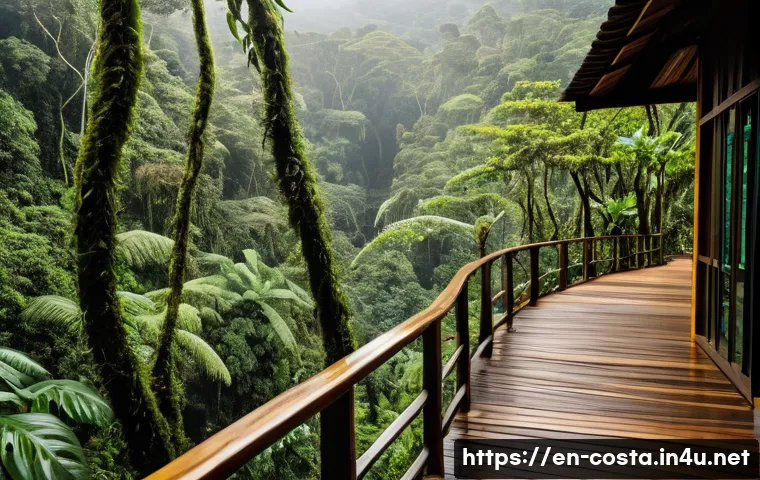
From pioneering payments for ecosystem services to committing to carbon neutrality, the country’s approach blends innovation with deep respect for nature.
These efforts not only preserve stunning rainforests and wildlife but also support sustainable tourism and local communities. As climate change intensifies worldwide, Costa Rica’s model offers valuable lessons on balancing development with ecological stewardship.
Curious about how these policies work in practice and their impact? Let’s dive deeper and explore the details together!
Innovative Financial Incentives for Forest Preservation
Payments for Ecosystem Services: A Game Changer
Costa Rica’s payments for ecosystem services (PES) program is a pioneering approach that financially rewards landowners for conserving forests instead of clearing them.
From my visits to rural areas, I noticed how this policy incentivizes farmers and communities to protect water sources, biodiversity, and carbon storage.
It’s fascinating that instead of relying solely on regulation, the government taps into market mechanisms to promote conservation. This program channels funds from hydroelectric companies, tourism operators, and international donors to those who maintain forest cover, creating a win-win scenario where natural capital translates into real income.
The long-term effect is a significant slowdown in deforestation and increased awareness of the economic value of intact ecosystems.
Community Engagement and Local Benefits
Another impressive aspect is how PES integrates local people, ensuring that conservation benefits reach those directly managing the land. During conversations with locals, many expressed pride and motivation because their stewardship is recognized and rewarded.
This inclusion builds trust and strengthens social cohesion, which are vital for sustaining environmental gains. I’ve seen small-scale farmers use PES payments to improve their livelihoods, invest in education, and diversify income sources, creating a more resilient rural economy.
This bottom-up approach contrasts sharply with top-down conservation models that often alienate local stakeholders.
Measuring Impact and Challenges
While PES has been largely successful, it’s not without challenges. Monitoring forest cover, verifying compliance, and preventing fraud require sophisticated systems and transparency.
Costa Rica has invested heavily in satellite technology and field inspections to ensure the program’s integrity. Still, occasional disputes arise over land tenure and payment fairness, highlighting the need for continuous improvement.
From what I’ve gathered, the government’s willingness to adapt and engage with NGOs and researchers has been crucial in refining PES and maintaining its effectiveness over time.
Setting Ambitious Carbon Neutrality Goals
Commitment to Climate Leadership
Costa Rica’s pledge to become carbon neutral by 2050 is more than a slogan; it’s a national mission backed by concrete policies. I’ve followed updates on their climate action plan, which includes expanding renewable energy, reducing emissions from transportation, and enhancing carbon sinks.
This bold commitment sends a powerful message globally, especially from a developing country balancing growth and sustainability. The government’s transparent reporting and active participation in international forums demonstrate genuine leadership and accountability.
Renewable Energy Revolution
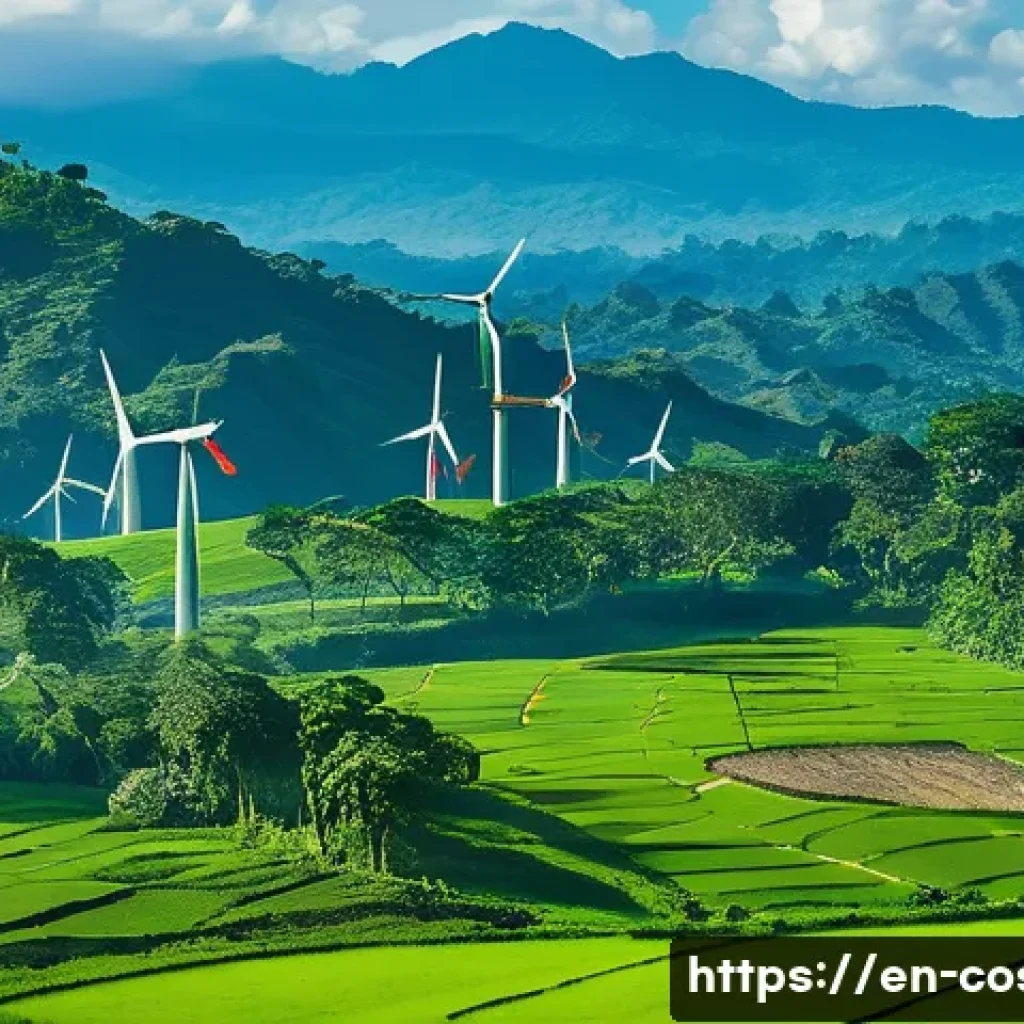
One remarkable achievement is Costa Rica’s near 100% renewable electricity generation, primarily from hydro, wind, and geothermal sources. When visiting power plants, I was struck by the scale and efficiency of these facilities, which supply clean energy to households and businesses alike.
This transition has drastically cut fossil fuel dependence, lowered electricity costs, and positioned the country as a green energy innovator. The focus now includes electrifying transport and improving grid resilience to meet future demand sustainably.
Transport Sector Challenges and Solutions
Despite progress in energy, decarbonizing transportation remains a tough nut to crack. Most Costa Ricans rely on cars and buses powered by fossil fuels, contributing significantly to emissions.
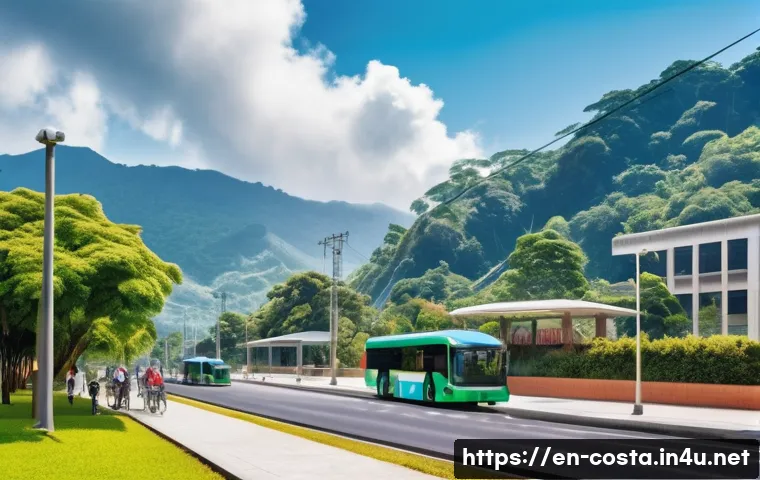
Efforts to promote electric vehicles (EVs) and invest in public transit are underway but face hurdles like infrastructure gaps and affordability. From chatting with locals, there’s growing enthusiasm for EVs, yet concerns about charging access and upfront costs persist.
Innovative incentives, such as tax breaks and subsidies, are being piloted to accelerate adoption and improve urban air quality.
Integrating Conservation with Sustainable Tourism
Eco-Tourism as an Economic Driver
Costa Rica’s conservation policies have created a thriving eco-tourism industry that respects and highlights natural heritage. During my travels, I encountered lodges and tour operators dedicated to minimizing environmental footprints while offering immersive wildlife experiences.
This approach attracts millions of visitors annually, generating vital revenue for conservation and local communities. What’s inspiring is how tourism encourages environmental education and fosters a culture of respect for biodiversity, turning visitors into ambassadors for nature protection.
Community-Led Tourism Initiatives
Many tourism projects are community-based, empowering indigenous and rural groups to showcase their culture and environment authentically. I witnessed how these initiatives create jobs, preserve traditions, and enhance social equity.
Tourists often participate in guided forest hikes, wildlife monitoring, and sustainable agriculture workshops, deepening their understanding of conservation challenges.
This model balances economic benefits with ecological integrity, demonstrating that tourism can be a powerful tool for sustainable development.
Balancing Visitor Impact and Preservation
However, managing tourist flows to prevent ecosystem degradation is critical. Popular sites face pressure from overcrowding, waste, and habitat disturbance.
Costa Rica employs zoning, visitor quotas, and environmental education campaigns to mitigate these impacts. My experience visiting national parks showed well-maintained trails, informative signage, and engaged rangers working tirelessly to protect fragile habitats.
This proactive management ensures that tourism enhances rather than harms conservation goals.
Protecting Biodiversity Through Legal Frameworks and Reserves
Expanding Protected Areas Network
Costa Rica boasts an extensive network of national parks, wildlife refuges, and biological reserves covering nearly a quarter of its territory. These protected areas safeguard critical habitats for countless species, some found nowhere else on Earth.
I’ve hiked through cloud forests and coastal mangroves where conservation laws strictly regulate human activity. The government’s investment in expanding and maintaining these zones reflects a long-term vision for biodiversity preservation that goes beyond short-term economic interests.
Legislation Supporting Wildlife and Habitats
Robust environmental laws back these protected areas, controlling deforestation, hunting, and pollution. Enforcement is supported by trained park rangers and community volunteers who act as guardians of nature.
In conversations with conservationists, I learned how legal frameworks provide a foundation for action and enable partnerships with NGOs and international bodies.
This legal backbone is essential for holding violators accountable and ensuring ecosystems remain intact.
Conservation Science and Monitoring
Scientific research plays a crucial role in informing protection strategies. Costa Rica collaborates with universities and global experts to monitor species populations, habitat health, and climate impacts.
I had the chance to visit research stations where data collection informs adaptive management plans. This evidence-based approach strengthens the country’s ability to respond to emerging threats and maintain biodiversity resilience over time.
Promoting Environmental Education and Awareness
Integrating Sustainability in Schools
Costa Rica places strong emphasis on educating its citizens about environmental issues from a young age. I observed school programs that incorporate hands-on activities like tree planting, recycling, and biodiversity studies.
Teachers encourage students to become stewards of their environment, fostering a generation that values conservation. This grassroots investment in education builds a culture of sustainability that supports national policies.
Public Campaigns and Media Engagement
Beyond schools, the government and NGOs run wide-reaching campaigns using TV, radio, and social media to raise awareness about climate change, waste reduction, and energy conservation.
These efforts have increased public participation in environmental initiatives and shifted attitudes toward greener lifestyles. I found that everyday Costa Ricans often discuss these topics, showing how deeply ingrained environmental consciousness has become.
Empowering Youth and Community Leaders
Youth groups and community leaders are actively involved in advocacy and local projects. I met passionate young activists who organize cleanups, promote renewable energy, and lobby for stronger protections.
Their energy and commitment inspire broader social change and ensure that environmental progress is sustained across generations.
Economic Impact and Future Opportunities
Green Economy Growth
Costa Rica’s environmental policies have catalyzed a growing green economy, creating jobs in renewable energy, sustainable agriculture, and eco-tourism.
This economic diversification reduces reliance on traditional sectors vulnerable to climate risks. From personal conversations with entrepreneurs, it’s clear that green business opportunities are expanding rapidly, supported by government incentives and international partnerships.
Challenges in Scaling Sustainable Development
Despite successes, challenges remain in scaling sustainable development equitably. Infrastructure needs, rural poverty, and global market fluctuations can hinder progress.
I’ve seen efforts to integrate environmental goals with social inclusion, but balancing these priorities requires ongoing dialogue and innovation.
Looking Ahead: Innovation and Collaboration
Costa Rica continues to explore new technologies and collaborative models to enhance conservation and climate resilience. Initiatives like blue carbon projects, smart agriculture, and regional cooperation signal a future where sustainability is embedded in all sectors.
Based on my observations, the country’s adaptive mindset and inclusive approach will be key to navigating emerging environmental and economic challenges.
| Policy Area | Main Features | Benefits | Challenges |
|---|---|---|---|
| Payments for Ecosystem Services (PES) | Financial incentives to landowners for forest conservation | Reduced deforestation, improved livelihoods, water protection | Monitoring compliance, land tenure disputes |
| Carbon Neutrality | Renewable energy expansion, emission reduction targets | Lower emissions, energy security, climate leadership | Transport sector decarbonization, infrastructure gaps |
| Eco-Tourism | Community-based sustainable tourism initiatives | Economic growth, cultural preservation, environmental education | Visitor impact management, overcrowding |
| Protected Areas | Extensive parks and reserves with legal protection | Biodiversity conservation, ecosystem services maintenance | Enforcement resources, habitat fragmentation |
| Environmental Education | School programs, public awareness campaigns | Cultural shift towards sustainability, empowered citizens | Ensuring reach in remote areas, continuous engagement |
Concluding Thoughts
Costa Rica’s innovative approach to environmental preservation offers valuable lessons for the world. By blending financial incentives, community engagement, and strong legal frameworks, the country demonstrates that sustainable development is achievable. Its commitment to renewable energy and conservation shows how economic growth and ecological responsibility can go hand in hand. These efforts inspire hope for a greener, more resilient future globally.
Useful Insights to Remember
1. Financial incentives like Payments for Ecosystem Services motivate landowners to conserve forests while improving their livelihoods.
2. Community involvement ensures that conservation efforts are inclusive, building trust and long-term stewardship.
3. Technological tools and transparent monitoring are essential to maintain program integrity and address challenges.
4. Integrating environmental education from early ages fosters a culture of sustainability and empowers future leaders.
5. Sustainable tourism, when managed carefully, supports both economic development and biodiversity protection.
Key Takeaways
Effective environmental preservation depends on combining economic incentives with strong community participation and legal protections. Continuous innovation and adaptation are necessary to overcome challenges like infrastructure gaps and enforcement limitations. Education and public awareness play a critical role in sustaining environmental progress. Ultimately, a balanced approach that aligns ecological health with social and economic goals is essential for lasting impact.
Frequently Asked Questions (FAQ) 📖
Q: How does Costa Rica’s payment for ecosystem services program work and what impact has it had?
A: Costa Rica’s payment for ecosystem services (PES) program compensates landowners for managing their land in ways that protect forests, watersheds, and biodiversity.
Essentially, if a landowner preserves forest cover or adopts sustainable farming practices, they receive financial incentives. I’ve seen firsthand how this approach motivates local farmers to embrace conservation rather than deforestation.
Over time, this has led to significant reforestation, improved water quality, and stronger wildlife habitats, showing that economic rewards can align with environmental goals effectively.
Q: What steps has Costa Rica taken to achieve carbon neutrality, and how realistic is this goal?
A: Costa Rica aims to become carbon neutral by reducing emissions from transportation, agriculture, and energy sectors while boosting carbon capture through forest conservation.
They’ve invested heavily in renewable energy, with about 98% of electricity coming from clean sources like hydro, wind, and geothermal. Additionally, reforestation projects and strict environmental laws support carbon offset efforts.
While achieving full carbon neutrality is ambitious and ongoing, the country’s dedication demonstrates that with political will and public support, transitioning toward a low-carbon future is within reach.
Q: How do Costa Rica’s environmental policies benefit local communities and the tourism industry?
A: The country’s conservation policies create a win-win situation for both locals and visitors. By protecting natural areas, Costa Rica attracts eco-tourists eager to experience its rainforests, wildlife, and pristine beaches, which in turn generates income and jobs for local communities.
I’ve noticed that many small towns rely on sustainable tourism as a primary source of livelihood, which encourages residents to maintain their environment rather than exploit it.
This synergy supports economic development while safeguarding the very resources that make Costa Rica a unique destination.